Retire in Italy
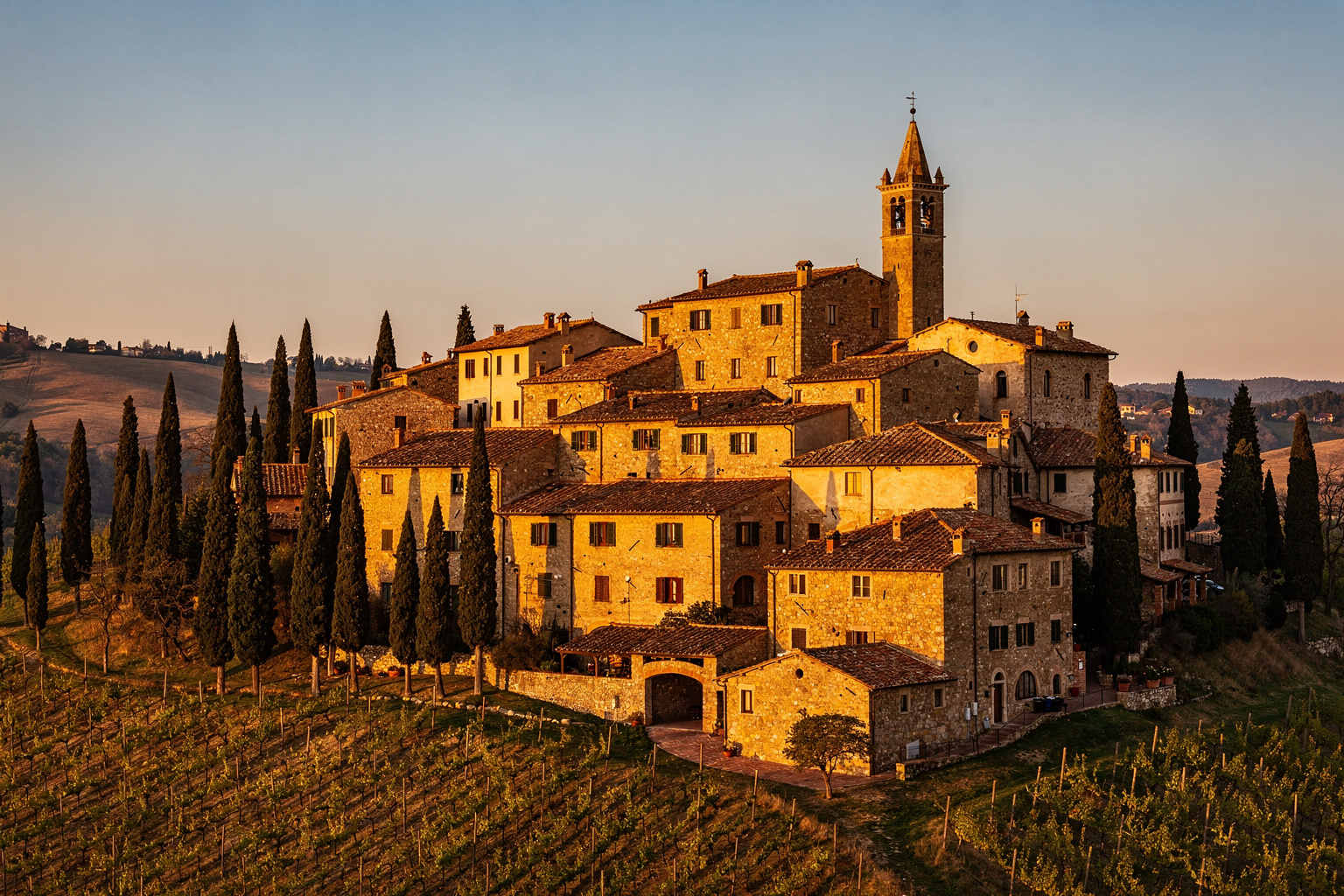
Picture a morning with no car in it. The bakery is already open. A church bell marks the hour. In Bologna, porticoes shade the walk. In Florence, the river catches the first light. In Palermo or Bari, the sea changes the rhythm of the day.
At a glance
Markets under stone arches, trains to dinner, and beauty that charges full price
Picture a morning with no car in it. The bakery is already open. A church bell marks the hour. In Bologna, porticoes shade the walk. In Florence, the river catches the first light. In Palermo or Bari, the sea changes the rhythm of the day.
Italy's draw is not mystery. It is food, beauty, public healthcare, train life, and towns that make an ordinary errand feel like part of the day — the version of Europe most Americans are picturing when they say the word abroad. The tension is that Italy does not give this away. The retiree visa is strict, taxes are ordinary unless you choose a qualifying small southern town, and English thins quickly outside tourist or expat lanes.
And Italy is not one answer. Florence and Lucca are Tuscan and polished. Bologna is hospital-strong and food-first. Lecce and Bari are southern value with more Italian required. Palermo and Cagliari bring island light and lower budgets, with healthcare and flight trade-offs.
Compare the cities
Comfortable couple budgets split by prestige and convenience: Lecce, Bari, Palermo, and Cagliari carry the value case, Bologna sits in the middle, and Tuscany is the expensive end.
| City | Couple / mo | Healthcare | Safety | English |
|---|---|---|---|---|
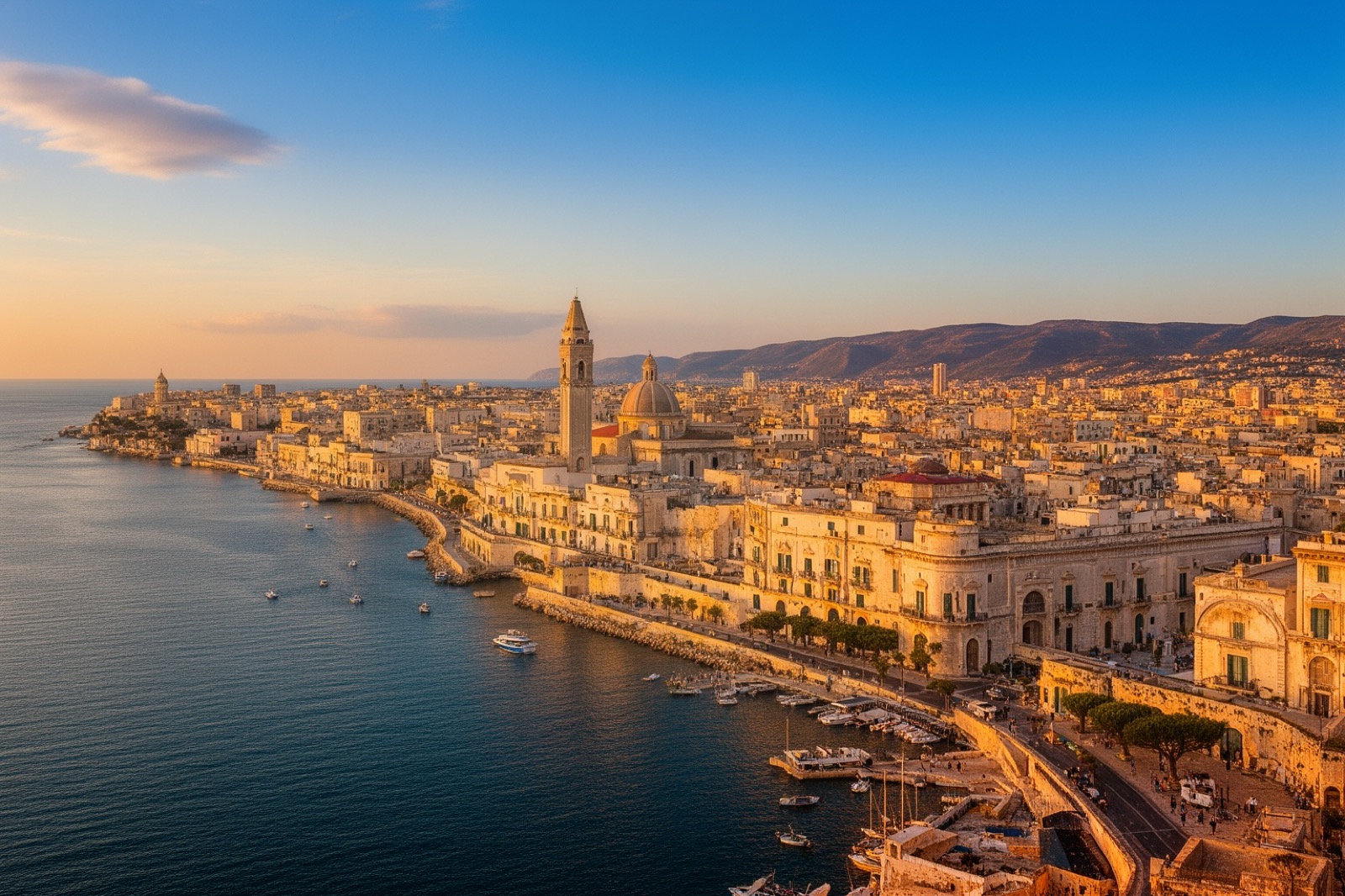
| LeccePuglia (Salento), Southern Italy | $2,273 | 3/5 | 4/5 | 2/5 |
| BariPuglia | $2,471 | 4/5 | 4/5 | 2/5 |
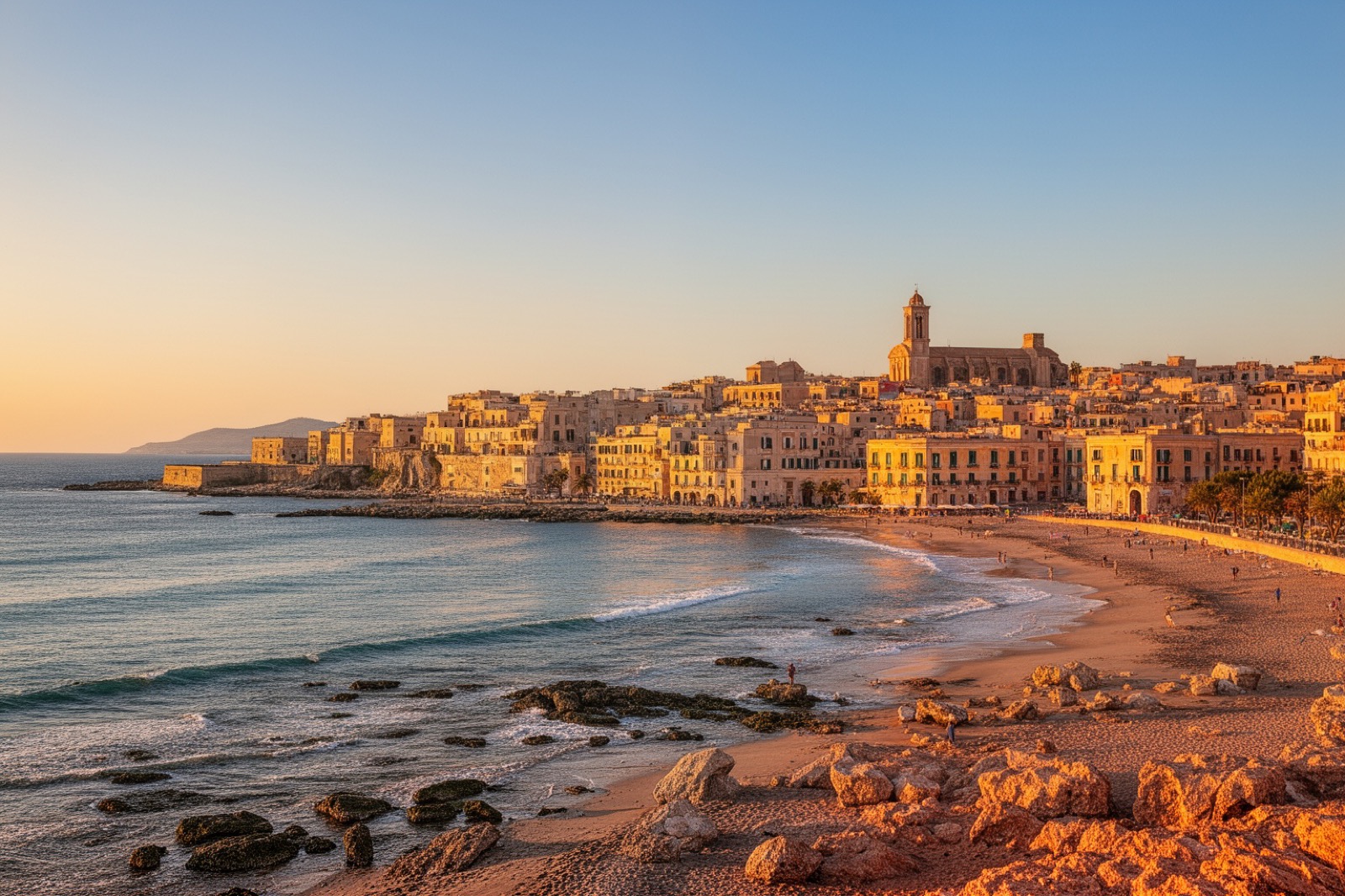
| PalermoSicily | $2,471 | 4/5 | 4/5 | 2/5 |
| CagliariSardinia | $2,672 | 3/5 | 5/5 | 2/5 |
| BolognaEmilia-Romagna | $3,261 | 5/5 | 4/5 | 3/5 |
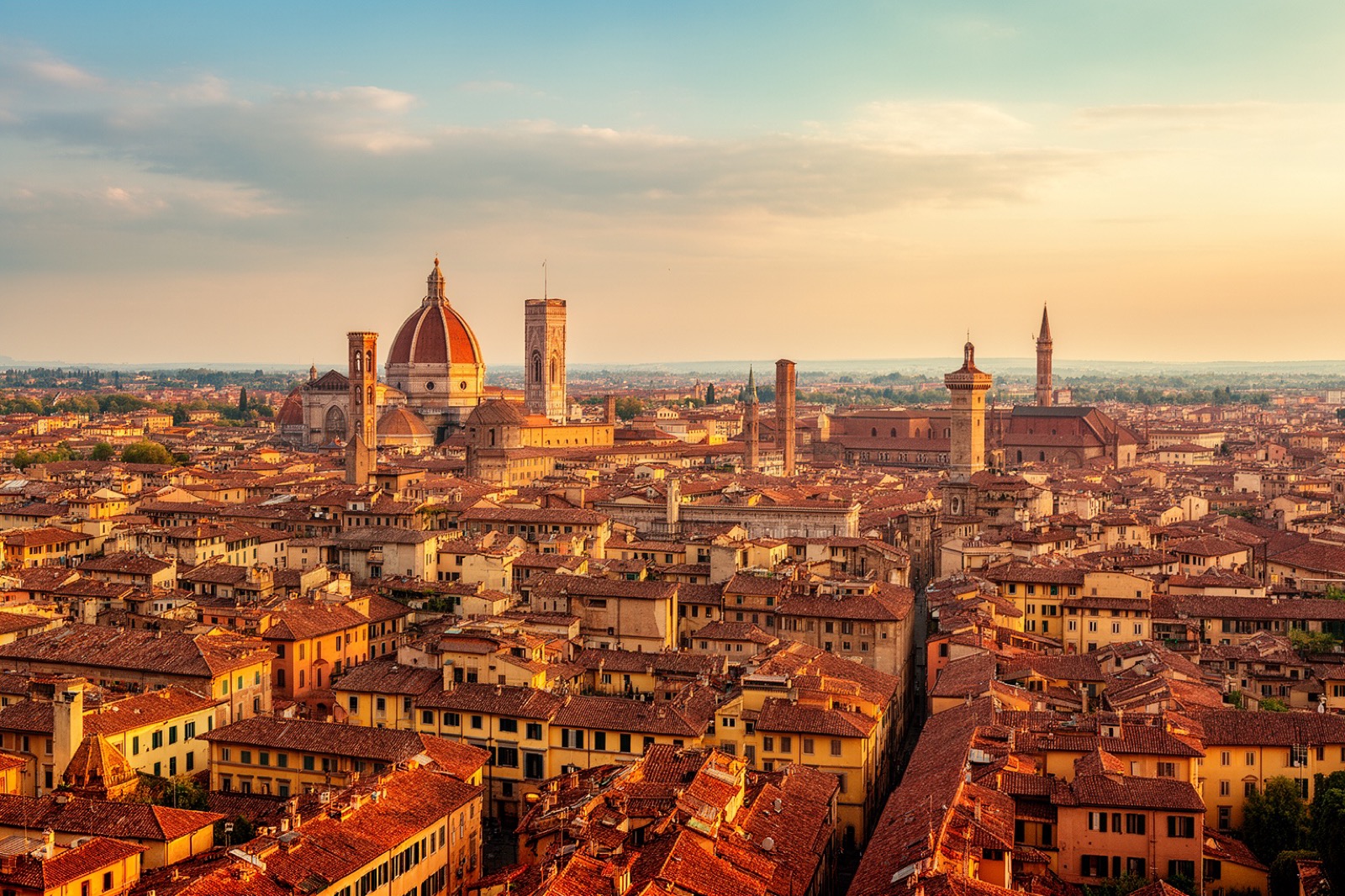
| FlorenceTuscany (central Italy) | $3,728 | 4/5 | 4/5 | 3/5 |
| LuccaTuscany (north-central Italy) | $3,728 | 4/5 | 5/5 | 3/5 |
Visa & residency
AS OF 2025–26Italy's Elective Residence Visa is the retiree route for people who can live on passive income from outside Italy. It is not a work visa, and it is not approved by math alone.
US consulates may demand income well above the floor, a 12-month lease or owned home, clean passive-income proof, and patience for paperwork. Working in Italy is prohibited on this route, and processing can run up to about 3 months.
The regions at a glance
The right shortlist depends less on the country and more on the region — climate, altitude, flights, and the medical ceiling.
Tuscany
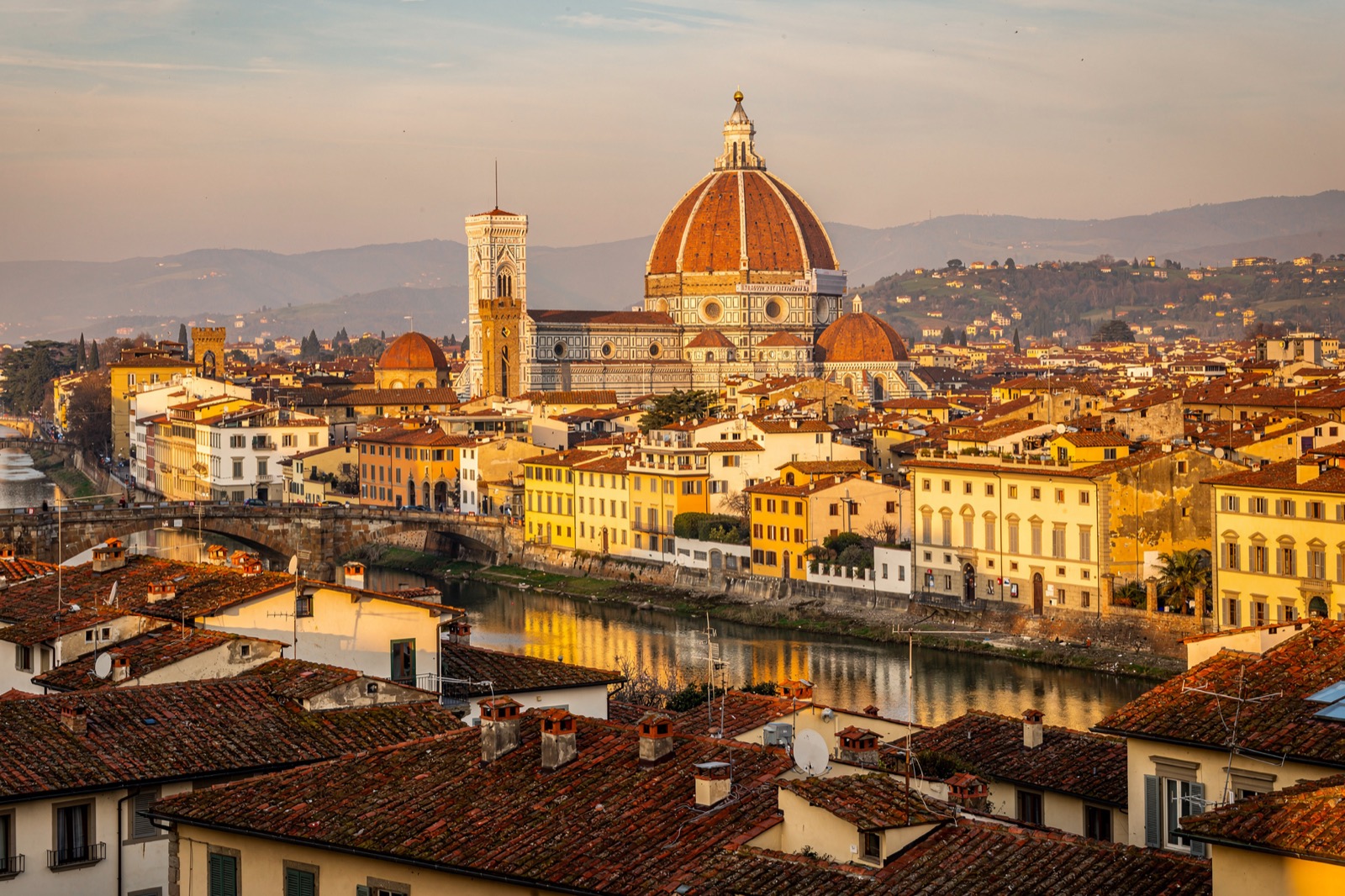
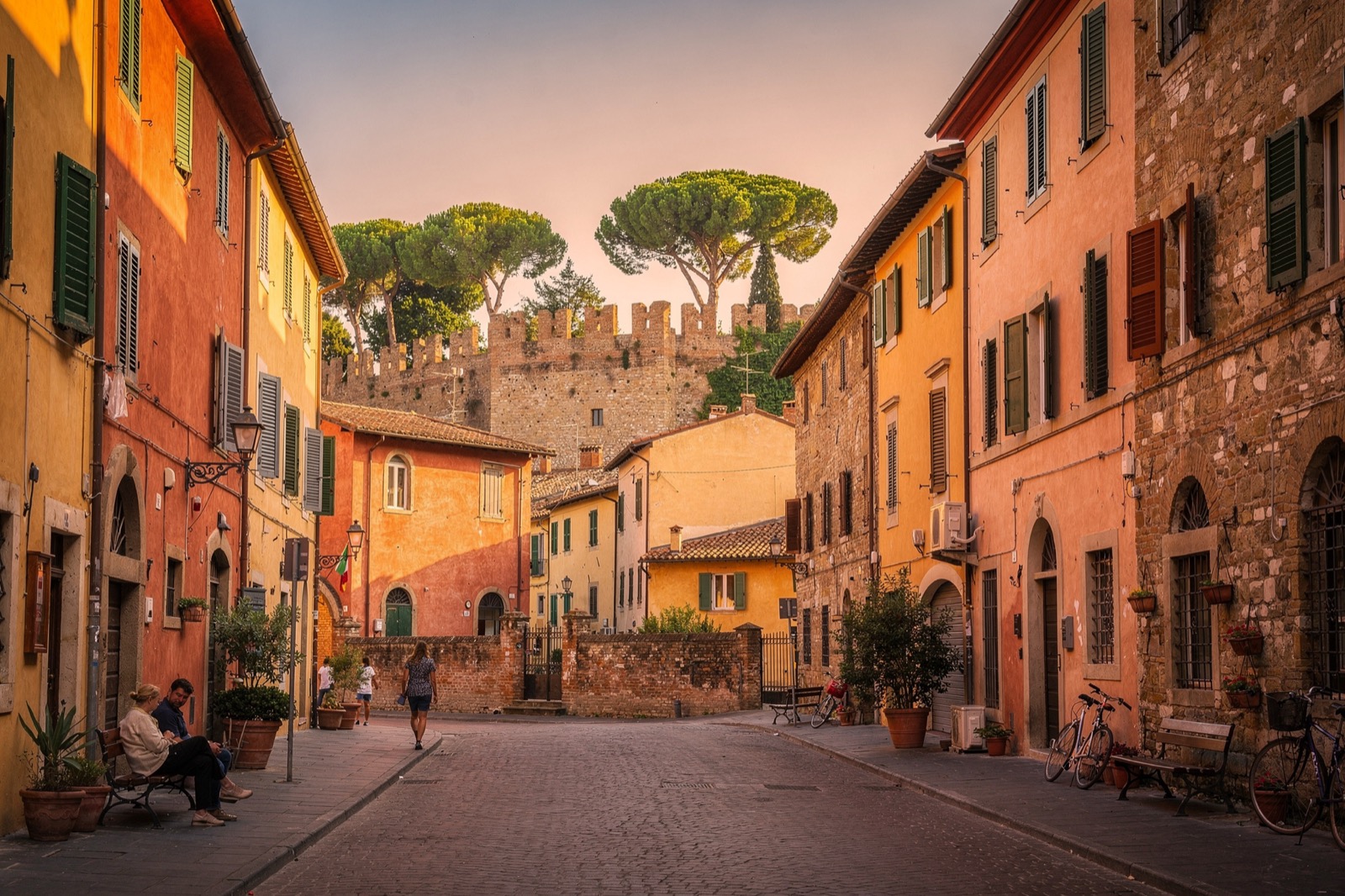
Florence and Lucca. Walkable beauty, established expat support, strong healthcare access, high prices, tourist pressure, and no 7% city tax break.
Emilia-Romagna
Bologna. Food, porticoes, trains, and the strongest healthcare profile here, with cold damp winters, hot muggy summers, and no direct US flights.
Puglia
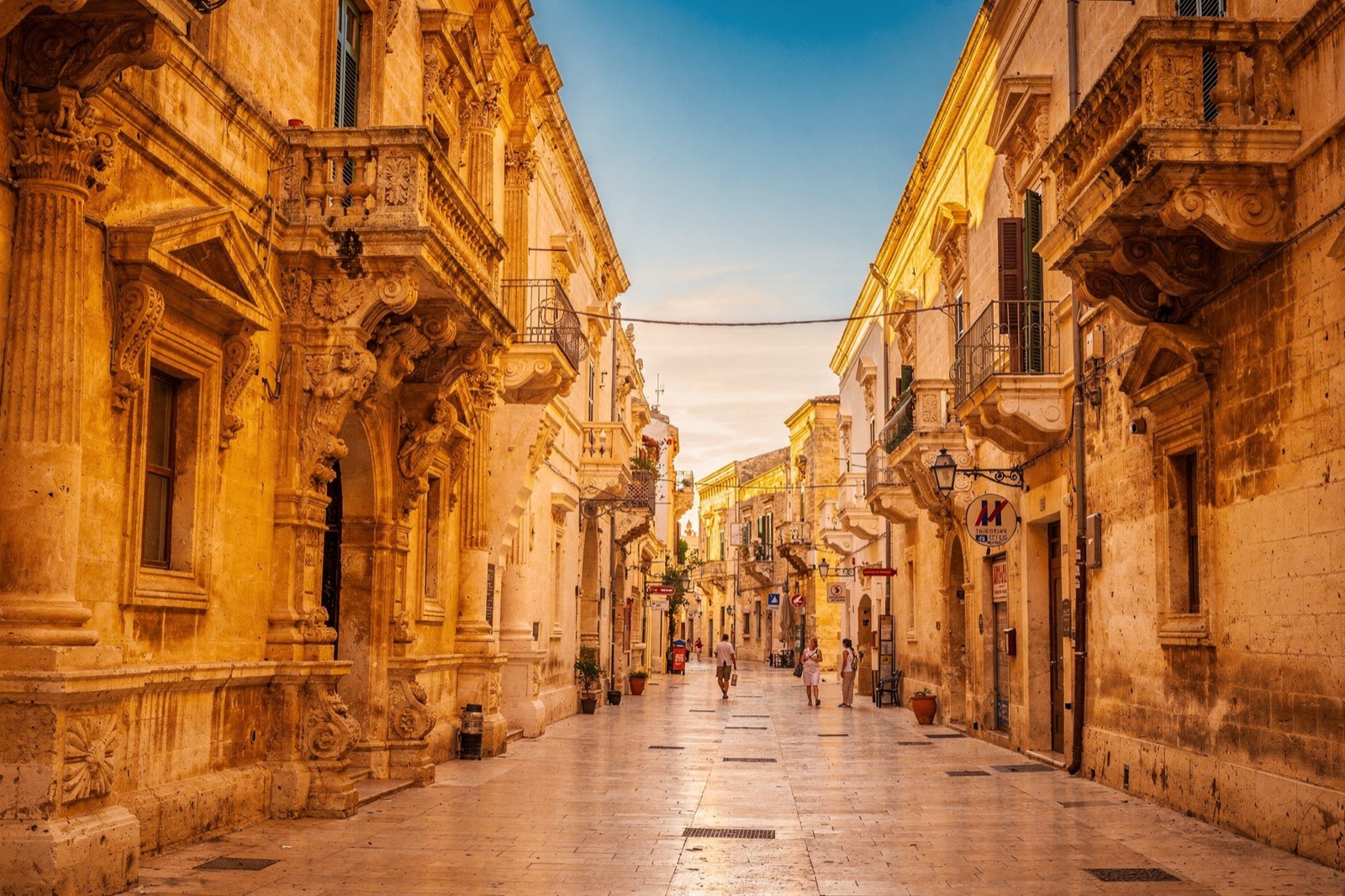
Bari and Lecce. Southern value, Adriatic light, strong food culture, and nearby qualifying small towns for the 7% tax regime, with more Italian required.
The islands
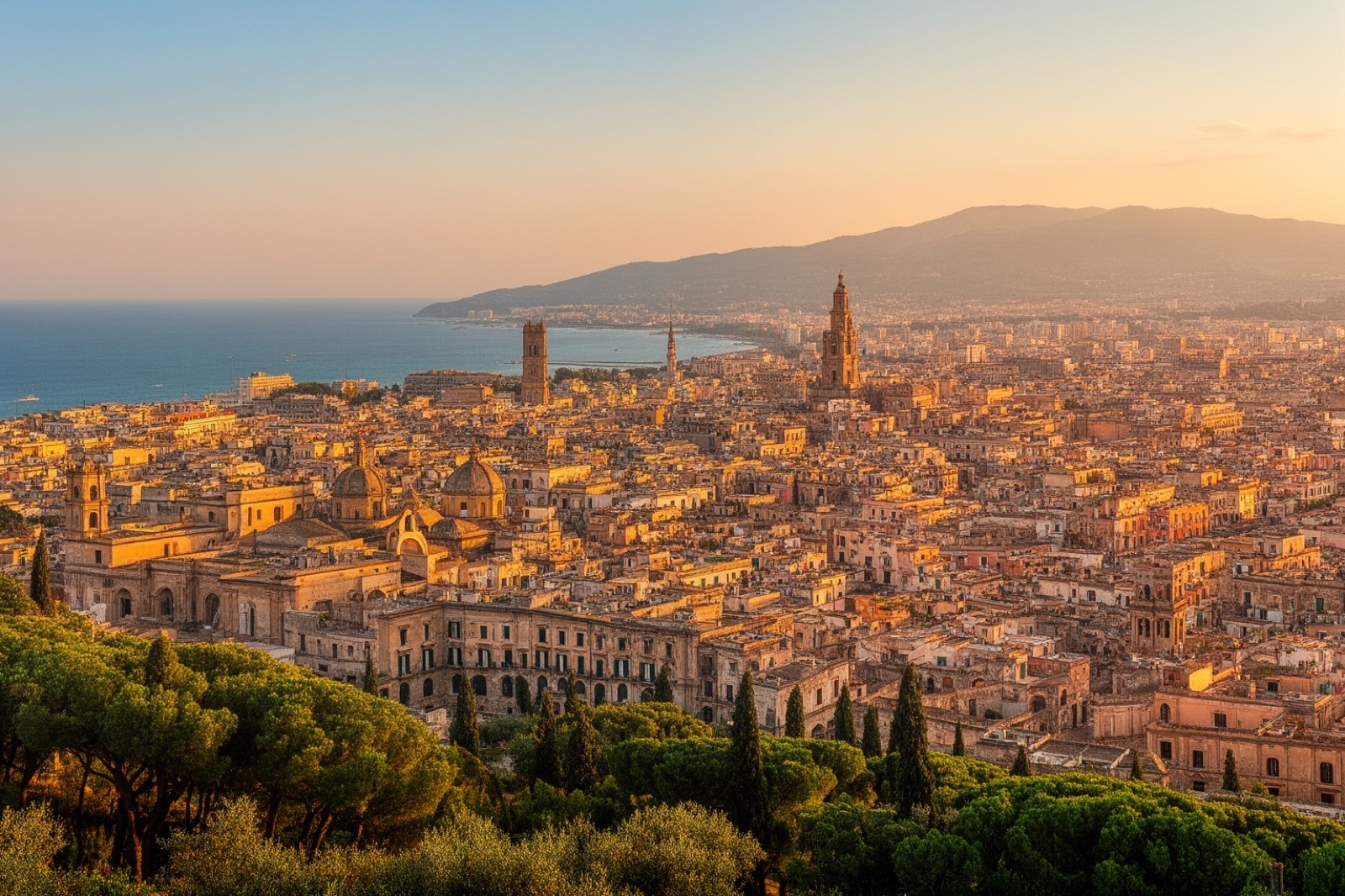
Palermo and Cagliari. Lower coastal budgets, strong identity, sea access, and softer winters, with island or southern-healthcare trade-offs and less English.
Places in Italy
7 researched cities. Open any for cost, healthcare, safety, visa, climate, and the honest trade-offs.
Who Italy is right for — and who should look elsewhere
Fits you if
You want walkable European days, public healthcare, trains, food, beauty, and a real Italian life more than a bargain fantasy; your passive income clears the ERV floor with room to spare, and you are willing to learn enough Italian to make the place yours.
Look elsewhere if
Your plan depends on working locally, qualifying for the 7% tax deal inside a famous city, speaking English everywhere, or flying nonstop to the US several times a year. Italy also fits poorly if damp winters, slow paperwork, and ordinary worldwide taxation would ruin the romance.