Retire in Croatia
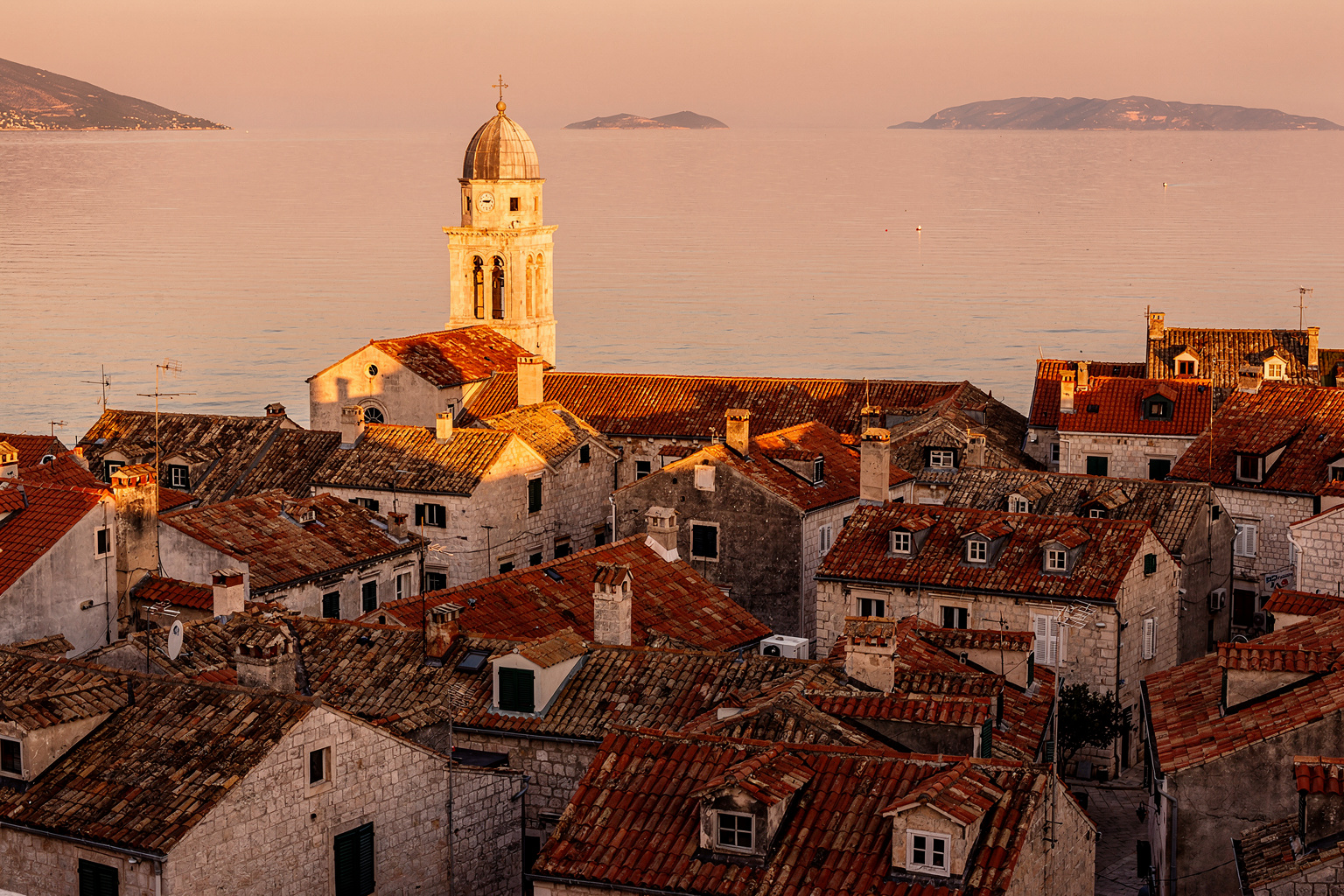
Picture the stone lanes before cruise crowds arrive. Coffee by the harbor, swallows over the walls, ferries cutting across blue water. Croatia can make a simple morning feel cinematic without asking you to leave Europe behind.
At a glance
Adriatic beauty and very safe streets, with a residency path that makes you work
Picture the stone lanes before cruise crowds arrive. Coffee by the harbor, swallows over the walls, ferries cutting across blue water. Croatia can make a simple morning feel cinematic without asking you to leave Europe behind.
The draw is strong: Level 1 safety, excellent English in tourist cities, Adriatic walkability, and costs below many Western European coasts. The honest tension is residency. Croatia has no purpose-built retiree visa, and non-EU paperwork can be slow and discretionary.
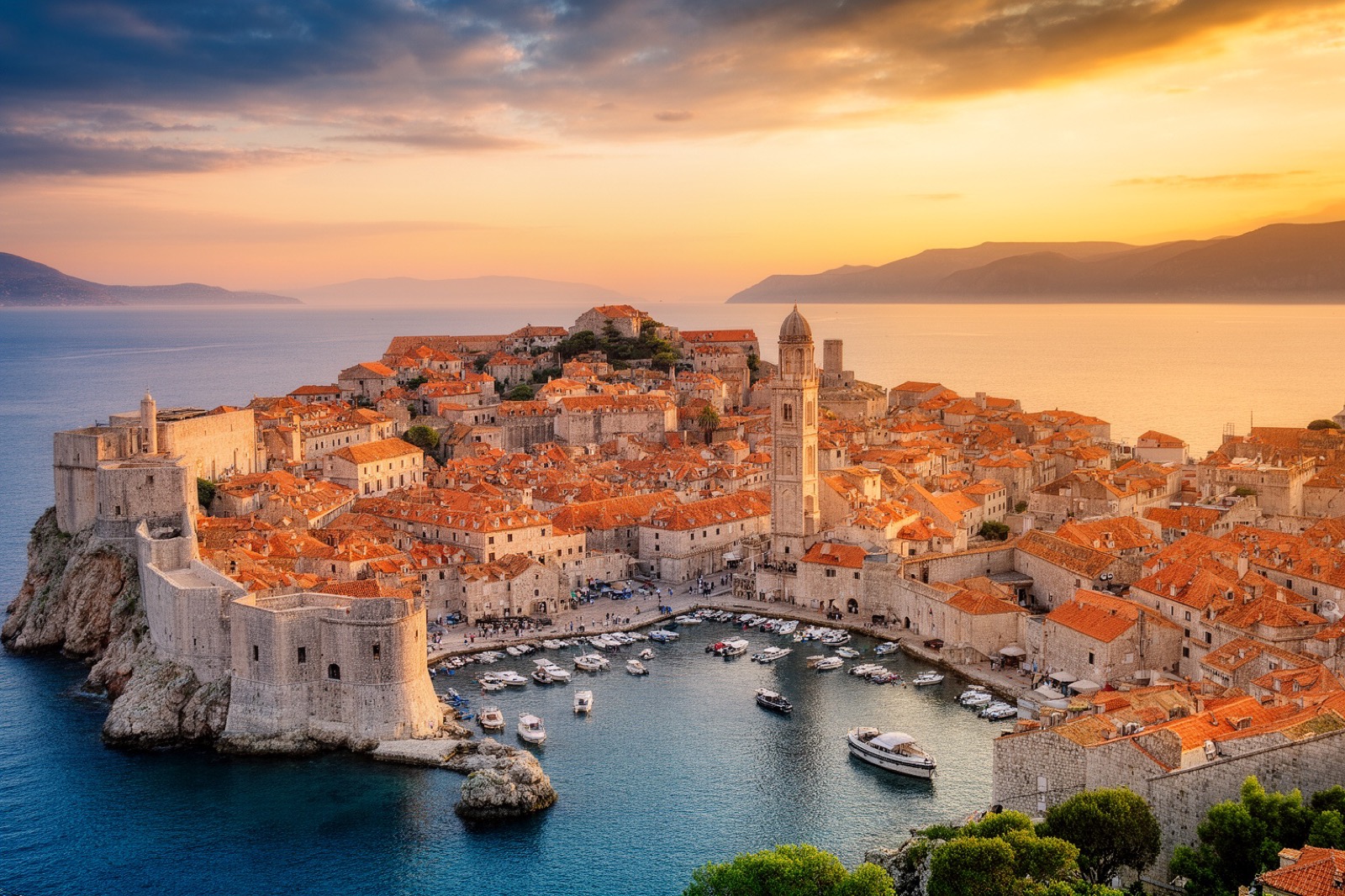
And it isn't one answer. Split is livelier, better connected inside Croatia, and more practical. Dubrovnik is spectacular and safer-feeling, but pricier, more seasonal, and more overrun in summer.
Compare the cities
Comfortable couple budgets run about $2,550 in Split and $3,150 in Dubrovnik; summer rent pressure and year-round lease scarcity matter as much as the headline monthly number.
Visa & residency
AS OF 2025–26Croatia is one of the harder European retiree fits because there is no dedicated pensioner visa. The usual route is temporary residence based on sufficient means, accommodation, health insurance, and a clean record.
The digital-nomad permit is not a true retiree solution because it requires active remote-work income. Local legal help is close to essential.
The regions at a glance
The right shortlist depends less on the country and more on the region — climate, altitude, flights, and the medical ceiling.
Split
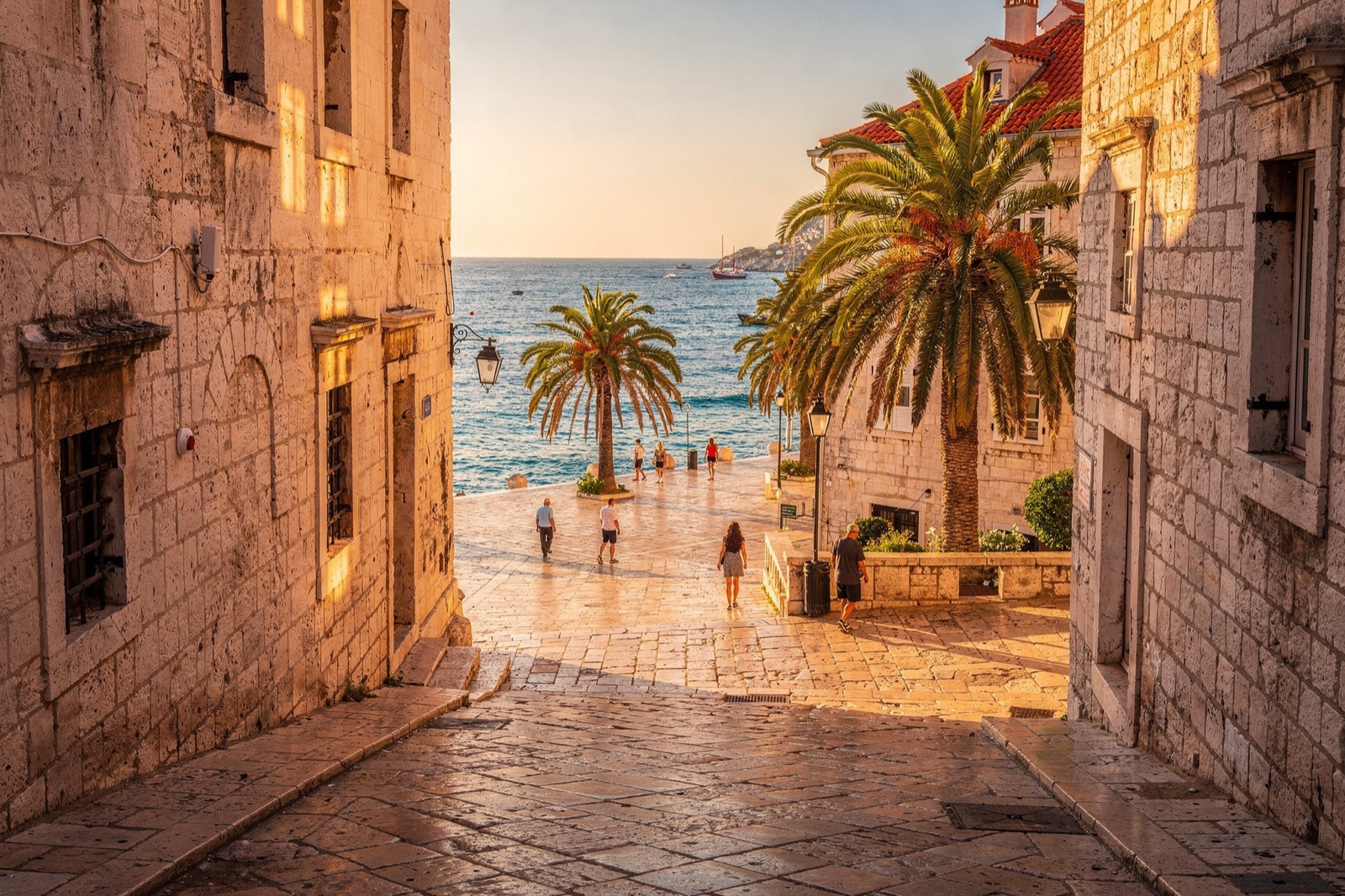
The practical Dalmatian base: Diocletian's Palace, ferries, KBC Split, strong English, lower budget, seasonal Newark flights, and a damp, quiet winter.
Dubrovnik
The iconic walled-city choice: marble streets and sea walls, ultra-safe, but expensive for Croatia, cruise-crowded, rental-tight, and dependent on seasonal U.S. access.
Places in Croatia
2 researched cities. Open any for cost, healthcare, safety, visa, climate, and the honest trade-offs.
Who Croatia is right for — and who should look elsewhere
Fits you if
You value Adriatic beauty, walkability, safety, English ease, and European travel more than visa simplicity, year-round buzz, or a large American-retiree community.
Look elsewhere if
You need a clean retiree visa, warm lively winters, big-city hospitals nearby, simple U.S. tax treaty certainty, or frequent year-round nonstop flights home.