Retire in Turkey
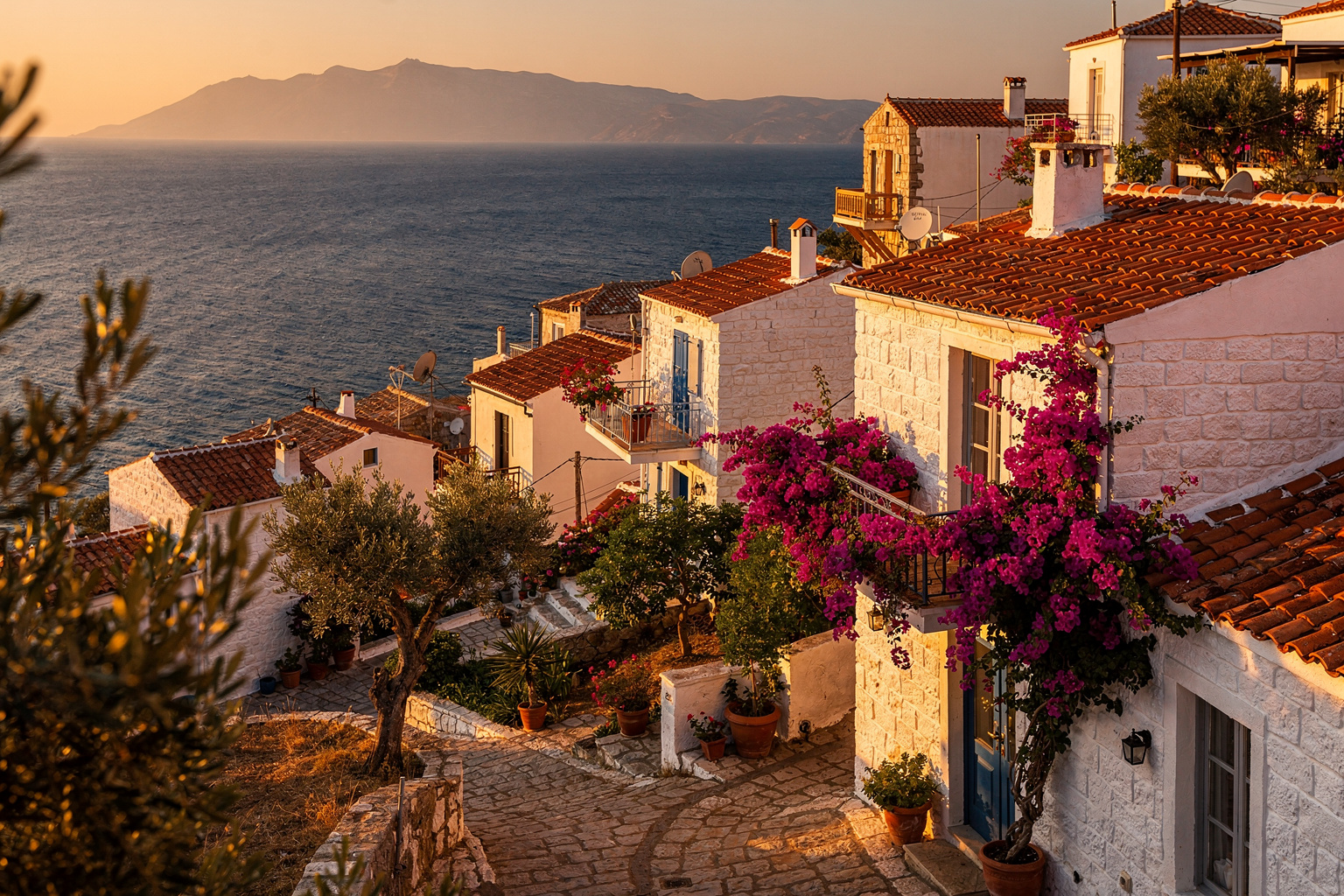
Picture a Mediterranean morning with simit still warm, mountains behind the apartment blocks, and the sea already bright. In Antalya, the city wakes big and busy. In Fethiye, the marina moves slower.
At a glance
Turquoise water, low costs, and a residency gate that keeps moving
Picture a Mediterranean morning with simit still warm, mountains behind the apartment blocks, and the sea already bright. In Antalya, the city wakes big and busy. In Fethiye, the marina moves slower.
Turkey's coastal draw is powerful: low monthly budgets, long beach seasons, active foreign communities, and private hospitals that cost far less than the US. The honest brake is residency. The old rental-based permit is no longer something to assume.
And it isn't one answer. Antalya is the bigger city with stronger hospitals and a large multicultural scene. Fethiye is smaller, cheaper, more British, and more dependent on travel for specialist care.
Compare the cities
Comfortable couple budgets run from about $1,900 in Fethiye to $2,100 in Antalya, with lira volatility and seasonal rents making current local quotes more important than usual.
Visa & residency
AS OF 2025–26Turkey has no dedicated retirement visa. Retirees usually look at the short-term residence permit, or a property-based path that has become the more reliable option.
Do not sign a lease or buy in an expat-heavy neighborhood until a local lawyer confirms that the mahalle is open and the permit route still fits your facts.
The regions at a glance
The right shortlist depends less on the country and more on the region — climate, altitude, flights, and the medical ceiling.
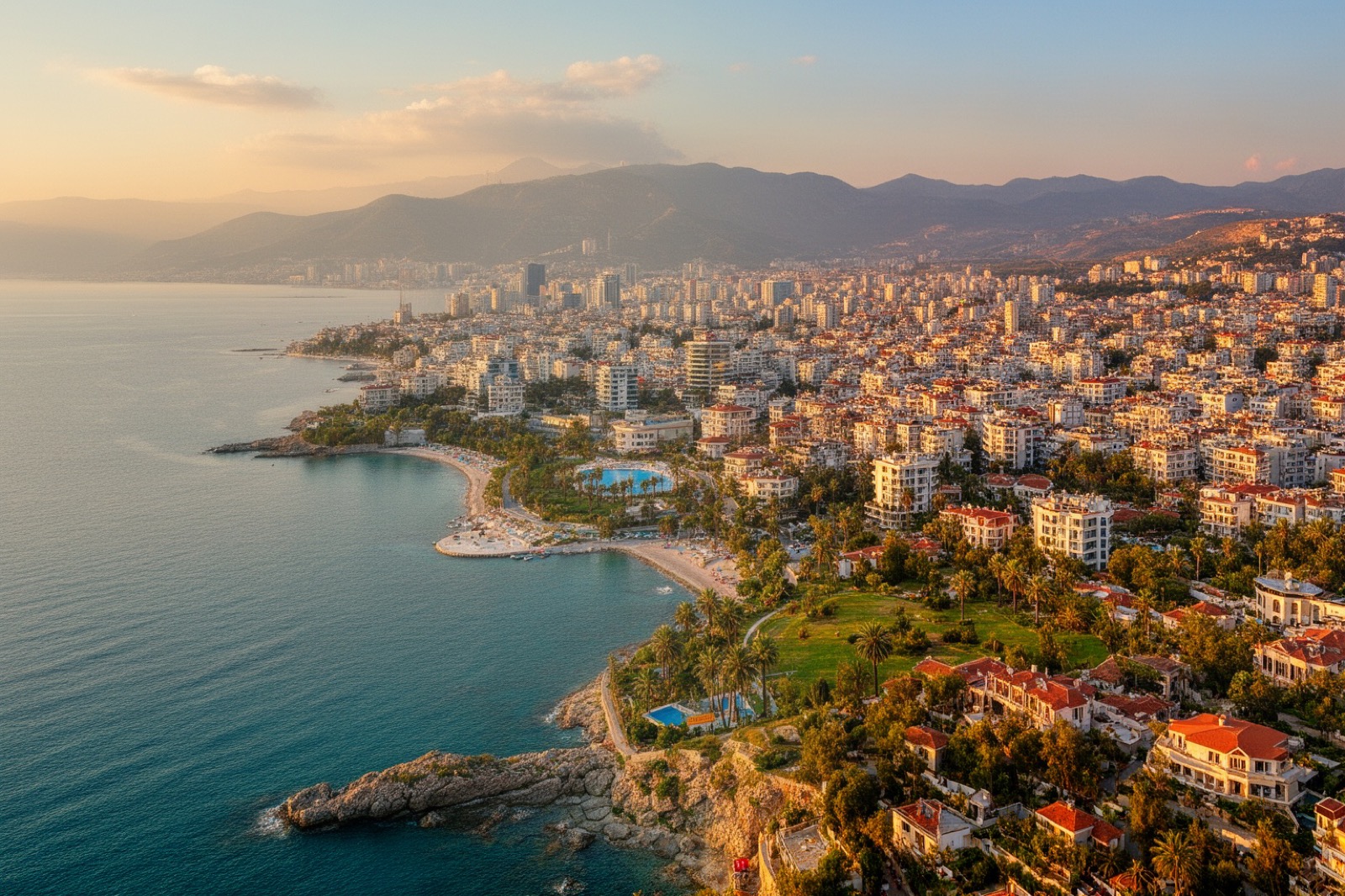
Antalya & the Mediterranean Region
The larger coastal city: stronger hospitals, more international services, active Konyaaltı and Lara expat areas, and about 300 sunny days a year. It also has the toughest residency pressure in popular districts.
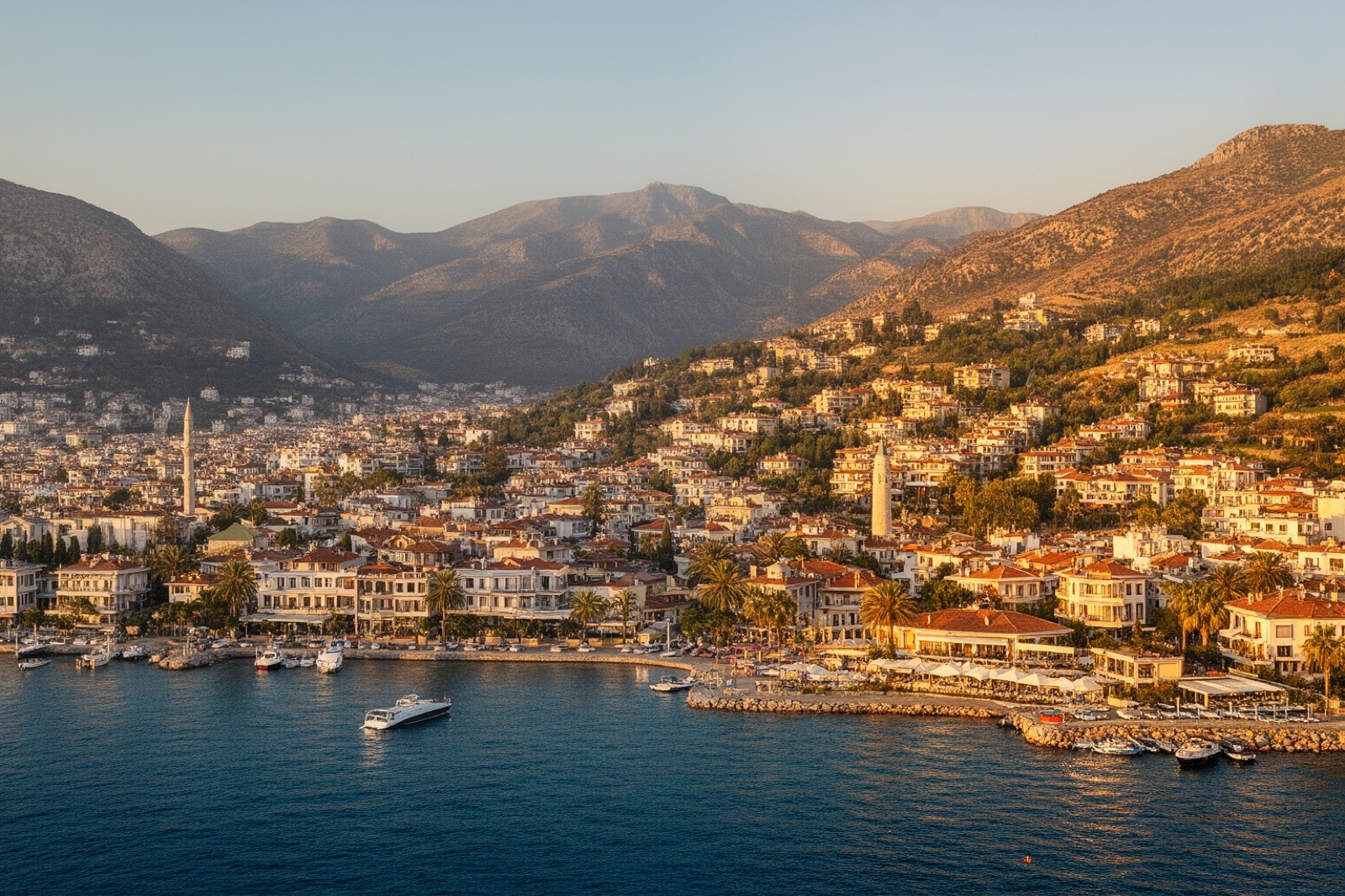
Fethiye & Muğla Province
A smaller turquoise-coast town with Çalış Beach, Ovacık, Hisarönü, and Ölüdeniz nearby. Costs are lower and English is easier in the British expat bubble, but specialist care and winter flights are thinner.
Places in Turkey
2 researched cities. Open any for cost, healthcare, safety, visa, climate, and the honest trade-offs.
Who Turkey is right for — and who should look elsewhere
Fits you if
You want a low-cost Mediterranean life, private healthcare at lower prices, and an active foreign community; you can tolerate currency swings; and you are willing to secure residency through careful legal advice or property.
Look elsewhere if
You need a predictable pensioner visa, an American retiree enclave, nonstop US flights, stable currency planning, or top specialist care in a small town.