Cusco
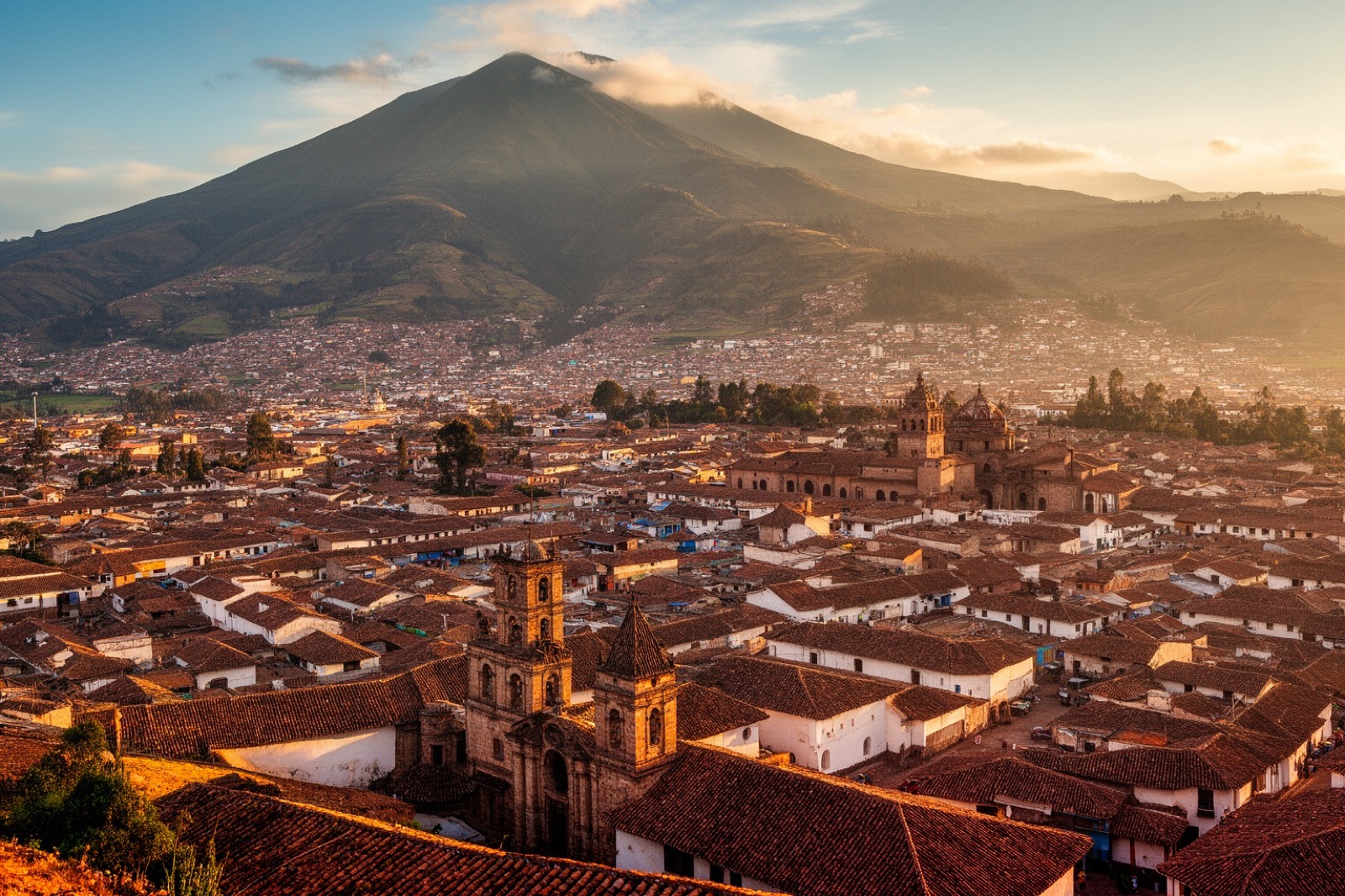
A breathtaking Andean Inca-and-colonial city, very cheap and spring-like by day — but at 11,150ft the altitude is hard on newcomers, winter nights near freezing, serious medical cases mean evacuation to Lima, and no direct US flight.
For an American couple, Cusco runs about $1,900 a month — though the flight home is a long one.
Cusco by the numbers
Visa & residency for Americans
Same national pathway as Lima: Peru's Rentista visa requires proof of permanent monthly income of at least US$1,000, plus US$500 per dependent (~$1,500 for a couple). 'Permanent' means a state/private pension, Social Security, or lifetime annuity/royalty/dividend stream — rental income, freelance/remote work, capital gains, and interest do NOT qualify. Once granted, resident status has indefinite validity and never needs renewing; you generally cannot work for pay in Peru. Pitfall: you can't be outside Peru more than 183 days within any rolling 365-day window or it's cancelled. Processing via Migraciones is ~1-3 months, usually started after entry and often handled with a local lawyer. Foreign pension payments are explicitly exempt from Peruvian tax for Rentista holders.
Your Peru residency, mapped to your situation
Where you're headed, who's going, and what you're working with — five questions puts your file on the desk. When a visa specialist clears our bar for your country, you're first in line for the introduction.
Map my Peru visa path →What living in Cusco is actually like
The weakest pillar here. Cusco has private clinics adequate for routine care and walk-in emergencies — Clínica Pardo and tourist-oriented clinics near the center handle altitude sickness (soroche), common illnesses, and minor procedures, plus a 24h urgent-care option for travelers. But equipment and specialist depth are limited: for a stroke, complicated heart attack, major trauma, or complex surgery, evacuation to Lima (~1.5h flight) is almost standard. Public hospitals are basic and overstretched, and English is limited even privately. Budget for evacuation insurance and accept that anything serious means flying out — a real consideration for older or chronically ill retirees.
Health cover for retiring in Peru
A broker that compares plans across the major international insurers — including plans that cover you past 65.
Compare plans for Peru →High-altitude (~11,150ft) temperate climate: mild, spring-like days year-round (~68-72°F when sunny) but a big day-night swing. The dry season (May-Sep) is sunny and the best time, but Jun-Aug nights drop near freezing (~32-40°F) — and most homes lack central heating, so indoors feels cold. The wet season (Nov-Mar) brings milder nights (~46°F) but frequent afternoon rain, peaking Jan-Feb. Thin, dry air affects sleep and hydration at first.
Cusco is generally safe for residents and tourists; violent crime against foreigners is very rare, and tourist police are visible around the Plaza de Armas. Petty crime is the realistic risk — pickpocketing and bag-snatching in crowds (the San Pedro Market area is notably worse) and scam/unmarked taxis. The 2023 political demonstrations have largely subsided, and tourist-zone security has been prioritized since. Use app or hotel taxis and keep your phone hidden. Peru's overall US State Dept advisory is Level 2; the VRAEM and some remote parts of Cusco region carry higher warnings, but Cusco city, the Sacred Valley, and Machu Picchu are not. Women alone generally report Cusco comfortable.
A modest, transient community skewing younger — backpackers, digital nomads, NGO/tourism workers, and some retirees, concentrated in the bohemian San Blas quarter (creative cafés, craft breweries, walkable to the center) and the historic core. 'Expats Cusco' Facebook groups help you land, but this is a smaller, more turnover-heavy scene than Cuenca or Medellín, and integration varies. English is limited outside tourist businesses, so functional Spanish matters more here for day-to-day life.
No direct flights from the US to Cusco (CUZ). The standard routing is via Lima (LIM, ~1.5h domestic hop) — so a US trip is typically a connection through Lima, often with an overnight, putting Miami-to-Cusco at roughly 11+ hours total including the layover. Avianca flies CUZ nonstop to Bogotá as an alternative connection. Practically, plan on a two-leg journey home; this is one of Cusco's bigger trade-offs for family-visit logistics.
Identical to elsewhere in Peru: tax residents (183+ days in a 12-month period; effective the following Jan 1) are taxed on worldwide income, but Rentista holders' foreign pensions are specifically exempt from Peruvian tax. Other foreign income (e.g. investments) can be exposed once domiciled. There is NO US-Peru tax treaty and no totalization agreement; US citizens file US returns and use the Foreign Tax Credit to avoid double taxation. Get cross-border tax advice before becoming a Peruvian tax resident — we are not tax advisors.
Getting your money to Cusco
Move money across the border at the real exchange rate — the fee shown up front, and you see exactly what lands on the other side.
See how a transfer to Peru works →Partner-marked links may pay Second Summer a referral fee if you choose them. Rankings are never pay-to-rank. How partners work
Cusco, weighed both ways
What’s good
- +Spectacular Andean setting and one of the Americas' richest Inca-and-colonial historic centers
- +Very low cost of living — a couple can live well on ~$1,800-1,900/mo, rents from ~$300-350
- +Mild, spring-like sunny days year-round (in the dry season especially)
- +Same easy, never-renew Rentista visa with a ~$1,000/mo bar; foreign pensions tax-exempt
- +Generally safe with rare violent crime and a visible tourist-police presence
- +Vibrant culture, markets, festivals, and gateway access to the Sacred Valley and Machu Picchu
Worth weighing
- –11,150ft altitude is hard on arrival (soroche affects ~40% from sea level) and a real concern for heart/lung conditions
- –Serious medical emergencies require evacuation to Lima — local hospitals can't handle complex cases
- –Winter nights (Jun-Aug) drop near freezing in mostly unheated homes — cold indoors
- –No direct US flights; every trip home connects through Lima (~11+ hours, often overnight)
- –Smaller, transient expat community and limited English outside tourist businesses
- –Wet-season (Nov-Mar) afternoon rain and occasional landslides/road disruption
- –Heavily tourist-driven economy means seasonal crowds and some inflated prices in the center
Who Cusco suits
Adventurous, mobile retirees who acclimatize well and love mountains, history, and culture · Budget-minded couples wanting a very low cost of living in a stunning setting · People who prize an authentic Andean lifestyle over convenience and don't fly home often · Those comfortable carrying robust medical/evacuation insurance
Anyone with heart, lung, or serious chronic conditions sensitive to high altitude · Retirees who need top-tier complex healthcare nearby (it means flying to Lima) · People who want easy, direct flights to visit US family · Those who can't tolerate cold, unheated indoor nights or want a big established expat bubble
What a move to Cusco actually costs
One form, and up to five international movers come back with real quotes for your move — compare prices before you commit.
Get my moving quotes →Sources, methodology & recent updates · visa & advisory re-checked 2026-10-24SHOW
- Oct 3, 2026We re-checked a reported change to Cusco's figures against official sources — no change; they stand as shown.
Go and see Cusco first
Flights, a hotel, and a car for the scouting trip — booked in one place, through our travel shop.
See scouting trips to Cusco →A month in Cusco before you decide
The people who land happiest came and lived it first — the market, the bus, an ordinary Tuesday — before they signed anything. A furnished place by the week or the month is how you do that.
Partner-marked links may pay Second Summer a referral fee if you choose them. Rankings are never pay-to-rank.
Browse monthly stays in Cusco on Vrbo →