Retire in Argentina
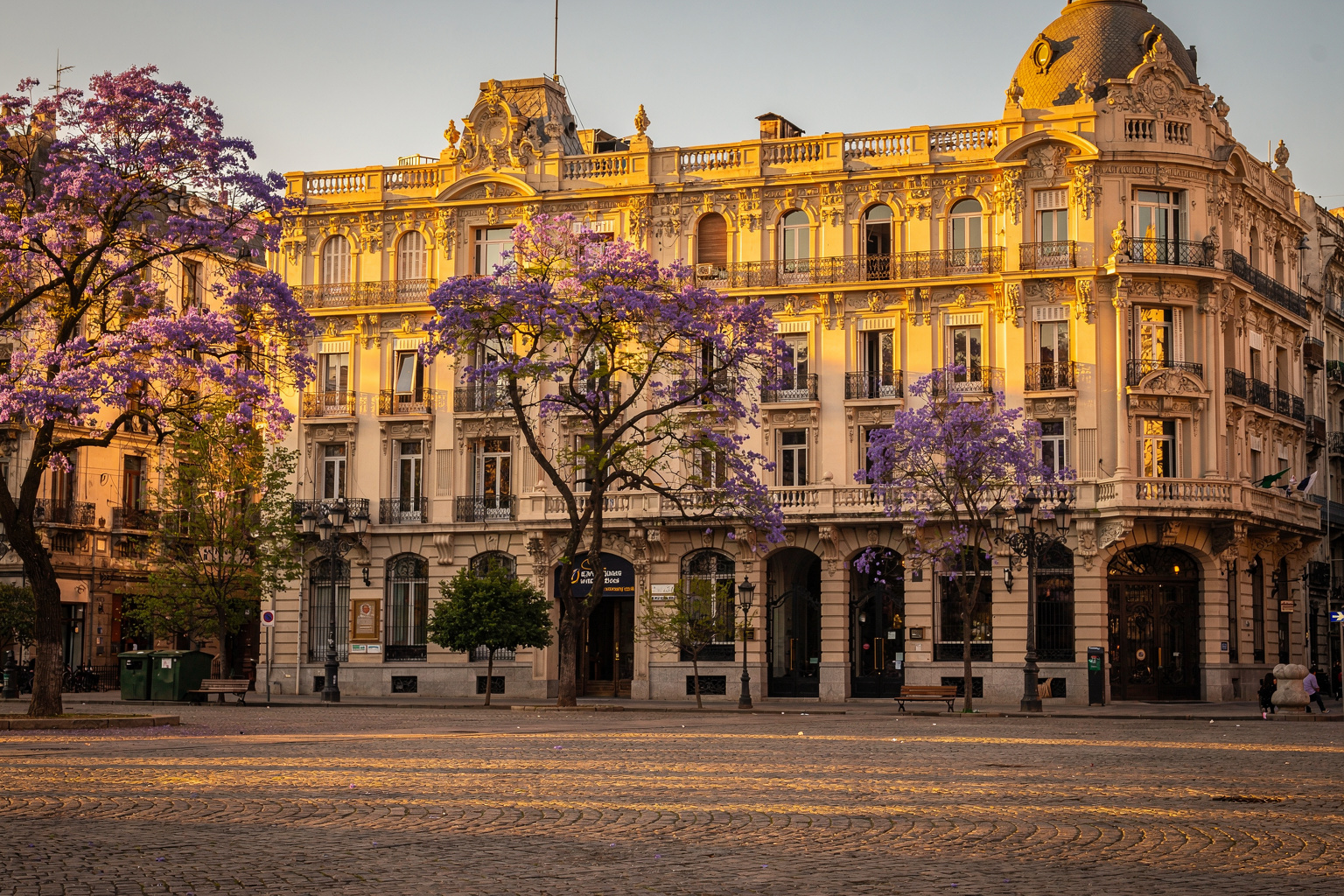
Picture Buenos Aires in the morning. Espresso at the bar, plane trees over the sidewalk, a dog walker managing ten leashes, and a theater poster already curling in the sun. In Mendoza, the day is drier and slower, with the Andes on the edge of everything and wine country close enough for lunch.
At a glance
Cafe culture, Andes wine, and big life at a volatile price
Picture Buenos Aires in the morning. Espresso at the bar, plane trees over the sidewalk, a dog walker managing ten leashes, and a theater poster already curling in the sun. In Mendoza, the day is drier and slower, with the Andes on the edge of everything and wine country close enough for lunch.
Argentina's draw for American retirees is appetite: world-class private hospitals in Buenos Aires, grand urban culture, Mendoza sunshine, strong food and wine, and couple budgets around $2,400–$3,200/month. The tension is money itself. Inflation, peso swings, currency controls, and tax complexity are part of the country.
It's not one retirement answer. Buenos Aires is the hospital, culture, and walkability play. Mendoza is the calmer, cheaper, drier mountain-wine answer. Both ask for Spanish, patience with bureaucracy, and a tolerance for financial noise.
Compare the cities
Comfortable couple budgets run from Mendoza around $2,400/month to Buenos Aires around $3,200/month. The capital costs more because it buys hospitals, culture, and international access.
| City | Couple / mo | Healthcare | Safety | English |
|---|---|---|---|---|
| MendozaMendoza | $2,400 | 3/5 | 3/5 | 2/5 |
| Buenos AiresBuenos Aires | $3,200 | 4/5 | 3/5 | 3/5 |
Visa & residency
AS OF 2025–26Argentina's retiree-friendly routes are Pensionado for a permanent foreign pension or Social Security, and Rentista for stable passive income from abroad.
Documents need apostille and certified Spanish translation. The threshold is tied to the peso minimum wage, so it moves, and Migraciones processing can be slow and paperwork-heavy.
The regions at a glance
The right shortlist depends less on the country and more on the region — climate, altitude, flights, and the medical ceiling.
Buenos Aires
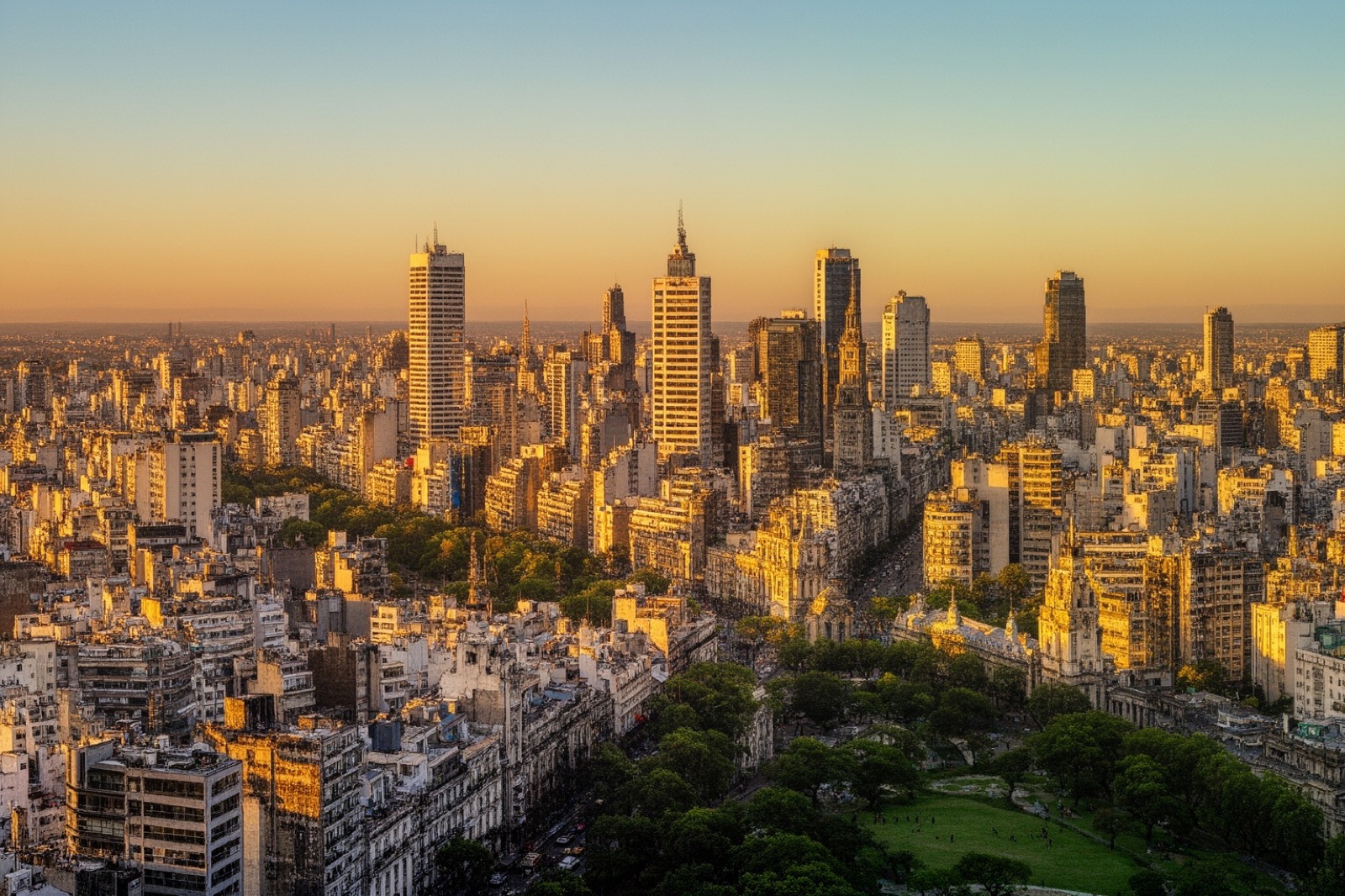
The big-city answer: top hospitals, culture, cafes, walkability, and better US flights. The price is inflation stress, petty crime habits, humidity, and bigger bureaucracy.
Mendoza
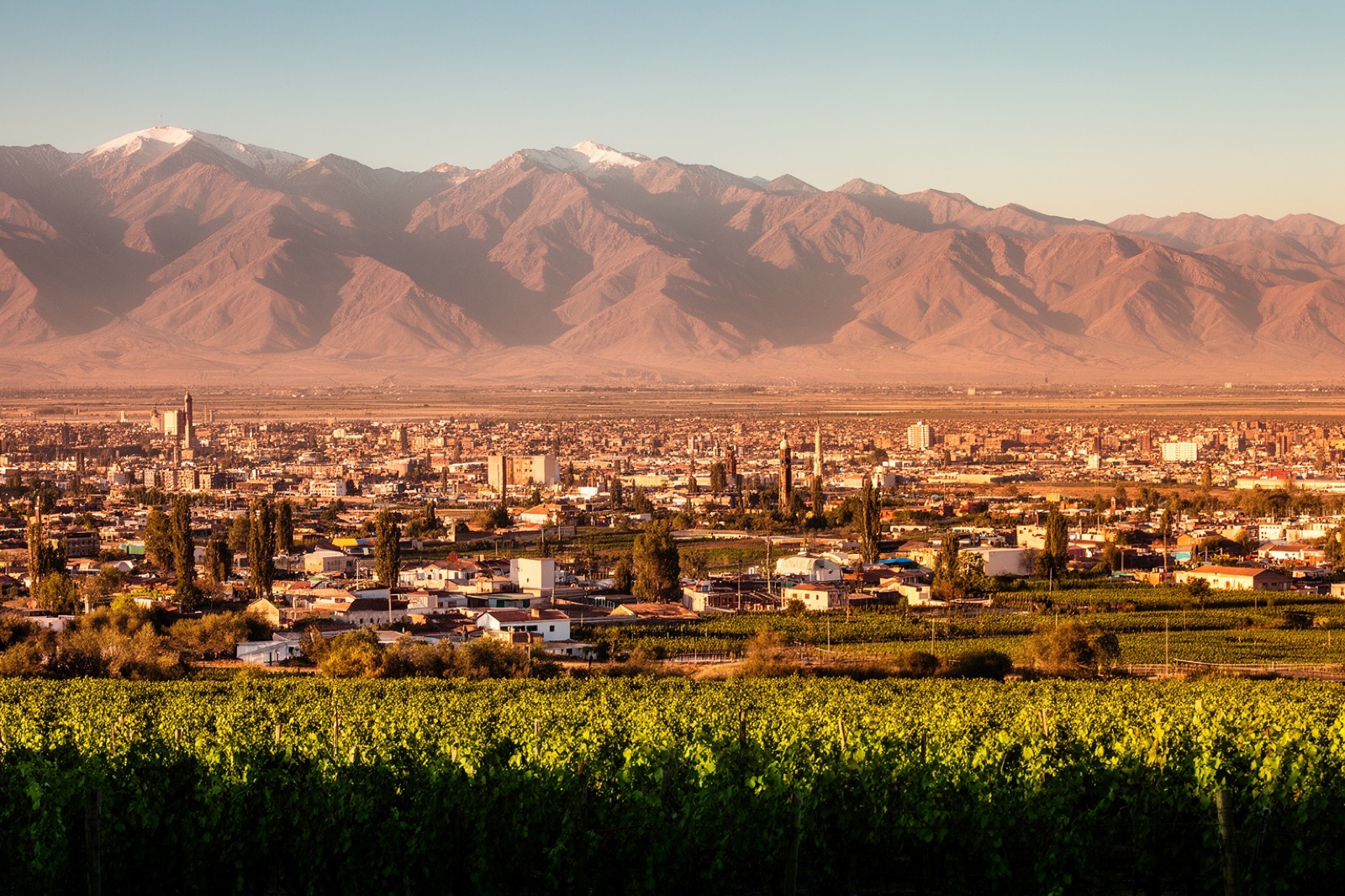
The wine-country answer: cheaper, calmer, sunnier, and drier, with Andes access and decent private clinics. The trade is no US nonstop flights and thinner specialist care.
Places in Argentina
2 researched cities. Open any for cost, healthcare, safety, visa, climate, and the honest trade-offs.
Who Argentina is right for — and who should look elsewhere
Fits you if
Culture, food, wine, private healthcare, and walkable urban life matter more than financial neatness; you can use Spanish and keep a flexible dollar plan.
Look elsewhere if
You need predictable prices, treaty-simple taxes, short flights home, English-only admin, beach weather, or freedom from petty-theft vigilance in a major city.