Las Terrenas
A laid-back, cosmopolitan Caribbean beach town with a real European-expat scene and low cost of living, undercut by rough infrastructure, no direct US flights, and serious healthcare two hours away.
For an American couple, Las Terrenas runs about $2,900 a month — though the flight home is a long one.
Las Terrenas by the numbers
Visa & residency for Americans
Pensionado requires a guaranteed lifetime pension of US$1,500/mo for a single applicant, +US$250/mo per dependent (so ~US$1,750/mo for a couple) — figures as of 2025. The Rentista path takes US$2,000/mo of stable non-pension/investment income if you have no qualifying pension. Both are fast and retiree-friendly: pensionado/rentista residency can fast-track to permanent residency, and citizenship/naturalization is generally possible after roughly 2-3 years of legal residency. Income thresholds are low relative to peer countries, which is a genuine draw.
Your Dominican Republic residency, mapped to your situation
Where you're headed, who's going, and what you're working with — five questions puts your file on the desk. When a visa specialist clears our bar for your country, you're first in line for the introduction.
Map my Dominican Republic visa path →What living in Las Terrenas is actually like
Decent private clinics/pharmacies in town handle routine and minor-urgent care, and some doctors speak English/French. But there is NO world-class tertiary hospital locally: anything serious (cardiac event, stroke, major trauma, complex surgery) means a ~2-hour drive to Santiago or Santo Domingo, where the country's best private hospitals sit (Hospiten Santo Domingo, CEDIMAT, Centro Médico UCE). Affluent retirees with complex conditions should budget for evacuation-grade insurance with air-ambulance-to-Miami coverage — that is the de facto backstop for true emergencies.
Health cover for retiring in the Dominican Republic
A broker that compares plans across the major international insurers — including plans that cover you past 65.
Compare plans for the Dominican Republic →Hot, humid tropical climate year-round (~78-88°F, little seasonal swing). The Samaná Peninsula is one of the greener, wetter parts of the DR — expect frequent rain, high humidity, and an active Atlantic hurricane season (June-Nov) requiring storm preparedness. Great for beach/ocean lovers; poor fit for anyone who dislikes humidity or wants cool nights.
US State Dept advisory is Level 2 "Exercise Increased Caution" countrywide (dated June 12, 2025), citing robbery, homicide and sexual assault; no province-specific elevated warning for Samaná. Las Terrenas and the wider Samaná Peninsula are generally seen as safer and calmer than Santo Domingo or the big package-tourist zones, but it is not crime-free: opportunistic theft, scams targeting foreigners, occasional moto/home break-ins, and genuinely dangerous road and motorbike traffic are the real day-to-day risks. Standard expat precautions (gated/secured housing, low-profile habits, no flashy valuables) apply.
Las Terrenas has a long-established, unusually international expat community — heavily French, plus Italian, German, Swiss, and a smaller North American contingent — that built the town's restaurant/cafe culture. You'll find foreigners easily and can socialize without Spanish in some circles. Caveat: the scene skews European and second-home/seasonal rather than a large US retiree colony like Mexico's Lake Chapala, so Americans seeking a big English-speaking US-retiree network may feel it's thinner than the headcount suggests.
The local airport, El Catey/Samaná (AZS), is ~45 min away but has very limited service — mostly seasonal flights to Canada (Montreal/Toronto) and Europe, with essentially no regular nonstop US service. Most US retirees fly into Santo Domingo (SDQ) or Punta Cana (PUJ), both well-connected to Miami/NYC/Atlanta, then face a ~2-2.5-hour drive/transfer to Las Terrenas. Net: the DR is close to the US East Coast, but Las Terrenas specifically is an extra half-day of ground travel — a real proximity penalty versus more accessible spots.
Territorial tax system: Dominican-source income is taxed, foreign-source income (including a foreign pension and US Social Security) is generally NOT taxed. New residents additionally get foreign investment/financial income exempt for the first 3 years (taxed only from year 4, per PwC). There is NO US-DR income tax treaty — only a FATCA/tax-information-exchange agreement — so US citizens still file with the IRS on worldwide income and lean on the Foreign Earned Income Exclusion / foreign tax credits; little local tax to credit means modest double-tax risk on most retiree income, but no treaty tie-breaker protections.
Getting your money to Las Terrenas
Move money across the border at the real exchange rate — the fee shown up front, and you see exactly what lands on the other side.
See how a transfer to the Dominican Republic works →Partner-marked links may pay Second Summer a referral fee if you choose them. Rankings are never pay-to-rank. How partners work
Las Terrenas, weighed both ways
What’s good
- +Low cost of living — a couple can live comfortably on roughly US$3,000/mo, and more frugally near US$2,000
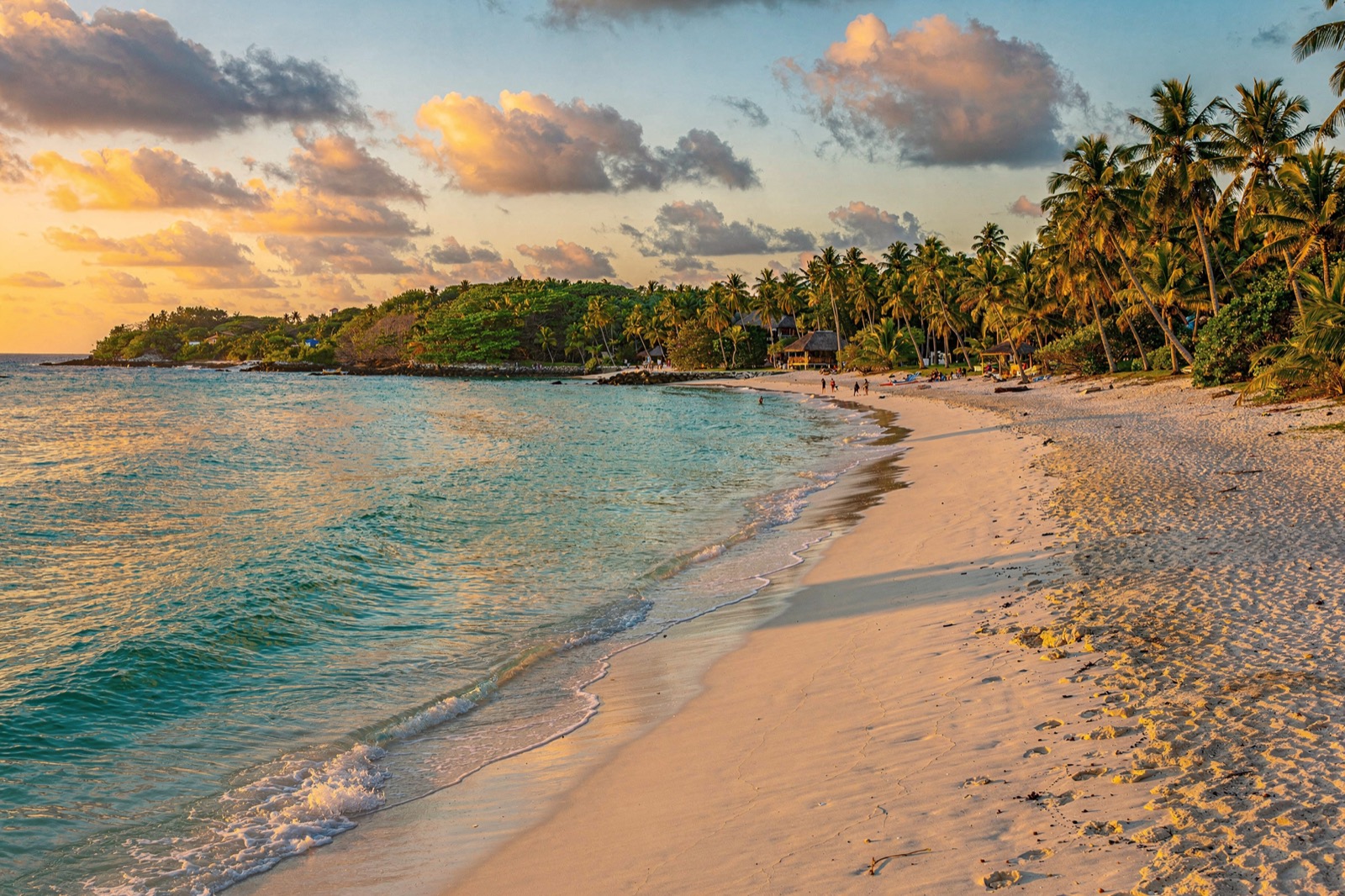
- +Genuine Caribbean beach lifestyle: warm water, palm beaches, water sports, year-round summer
- +Very accessible residency with low income bars (pensionado US$1,500/mo single) and a fast path toward permanent residency/citizenship
- +Territorial taxation — foreign pensions and Social Security generally untaxed locally, plus a 3-year exemption on foreign investment income for new residents
- +Established, cosmopolitan European expat scene with strong cafe/restaurant culture and easy socializing
- +Walkable, characterful town that feels more like a real community than a sterile resort enclave
Worth weighing
- –Serious/acute healthcare is ~2 hours away in Santiago or Santo Domingo; only routine care is reliably local — a major drawback for older or higher-risk retirees
- –No regular nonstop US flights to the local airport; expect SDQ/PUJ plus a 2+ hour drive, making US visits and family travel a hassle
- –Infrastructure is rough — power outages (most homes need inverters/generators), variable water, and patchy roads are routine
- –Hot, humid, hurricane-exposed climate that wears on some people; storm prep is a fact of life
- –Real safety friction: petty theft, scams aimed at foreigners, and dangerous road/motorbike traffic, against a countrywide Level 2 advisory
- –Day-to-day life and bureaucracy work better with functional Spanish; English alone is limiting outside expat/tourist circles
- –Bureaucracy and getting things done can be slow and frustrating by US standards
Who Las Terrenas suits
Active, relatively healthy retirees who want an affordable Caribbean beach life · Francophiles or Europhiles comfortable in an international (not US-centric) expat scene · Budget-conscious couples wanting low cost of living plus favorable territorial taxes · People who value a walkable real town and beach/water-sports lifestyle over polished infrastructure
Retirees with significant or complex health needs who require quick access to world-class hospitals · Anyone who wants easy, frequent nonstop travel back to US family · People who can't tolerate heat, humidity, hurricanes, or unreliable power/water · Those wanting a large, English-speaking US retiree community and turnkey infrastructure · Anyone unwilling to learn at least basic Spanish
What a move to Las Terrenas actually costs
One form, and up to five international movers come back with real quotes for your move — compare prices before you commit.
Get my moving quotes →Sources, methodology & recent updates · visa & advisory re-checked 2026-10-23SHOW
- Jul 3, 2026We re-checked a reported change to Las Terrenas's figures against official sources — no change; they stand as shown.
Go and see Las Terrenas first
Flights, a hotel, and a car for the scouting trip — booked in one place, through our travel shop.
See scouting trips to Las Terrenas →A month in Las Terrenas before you decide
The people who land happiest came and lived it first — the market, the bus, an ordinary Tuesday — before they signed anything. A furnished place by the week or the month is how you do that.
Partner-marked links may pay Second Summer a referral fee if you choose them. Rankings are never pay-to-rank.
Browse monthly stays in Las Terrenas on Vrbo →