Nosara
A wellness-and-surf Blue Zone beach town with stunning nature and a tight-knit expat scene — but it's expensive, remote down rough roads, intensely wet half the year, and emergencies mean an hour to Nicoya or a life-flight out.
For an American couple, Nosara runs about $4,200 a month — with the trip home a hop or a connection away.
Nosara by the numbers
Visa & residency for Americans
Same national framework as the rest of Costa Rica. Pensionado: prove a guaranteed lifetime pension/Social Security of at least USD 1,000/mo (covers a couple), apostilled and authenticated; CAJA enrollment is required (~9-10% of declared income) with spouse and under-18 children covered at no extra cost. Apply at a consulate or in-country at Migración; the ~90-day legal target commonly stretches to 6-12 months. Approval gives a renewable 2-year DIMEX card. No local employment (remote work for foreign firms and investments are fine), and pensionado doesn't automatically trigger tax residency. For non-pensioners, the Rentista route (~$2,500/mo, or a qualifying deposit) is the common alternative — relevant given the many working-age remote earners in Nosara.
Your Costa Rica residency, mapped to your situation
Where you're headed, who's going, and what you're working with — five questions puts your file on the desk. When a visa specialist clears our bar for your country, you're first in line for the introduction.
Map my Costa Rica visa path →What living in Nosara is actually like
Adequate for everyday and urgent needs, thin for emergencies. Nosara has well-regarded private clinics and 24/7 urgent care — Paradise Medical (Playa Guiones) and Nosara Urgent Care among them — plus ground/air ambulance availability; many residents also enroll in CAJA. But there is no full hospital in town: the nearest is in Nicoya, ~1 hour away (sometimes ~45 min in an emergency), and for serious or specialized cases expats rely on San José's top private hospitals (CIMA in Escazú is the go-to), reached by road or 'life-flight' plane/helicopter. The mix of a remote location, rough roads, and distance to a hospital is a real consideration for older retirees or anyone with health risks.
Health cover for retiring in Costa Rica
A broker that compares plans across the major international insurers — including plans that cover you past 65.
Compare plans for Costa Rica →Hot tropical with two sharp seasons. Daytime highs run ~84-91°F year-round (hottest Feb-Apr), nights warm. Dry season (mid-Dec-Apr) is sunny and drier with lower humidity (~63% in Feb) — peak tourist months; the green/rainy season (May-Nov) brings heavy afternoon-and-evening downpours, very high humidity (~90% in Oct), and lush jungle, with Sept-Oct the wettest ('when it rains, it pours'). ~91 in rain/yr. A/C and humidity management matter for much of the year.
Comparatively low-crime and laid-back, but not worry-free. Nosara is a wellness/surf community with a strong expat presence and a generally safe, friendly feel in core areas like Playa Guiones and Playa Pelada. Solo female travelers rate Nosara among Central America's more comfortable spots, and walking home at night in well-lit central areas is generally fine. Real risks are property crimes: opportunistic theft and break-ins on rentals and unattended vehicles — typically non-violent. Lock up, use safes, don't leave valuables visible. Costa Rica's advisory is US State Dept Level 2; Guanacaste's beach towns aren't the violent-crime hotspots (those cluster in Limón, around SJO, and San José).
A well-established, international, wellness-driven community — yoga, surf, and a famously tight expat/digital-nomad scene skewing younger and more affluent than the Central Valley, alongside retirees drawn by the Nicoya Blue Zone. English is widely spoken in Guiones' restaurants, studios, and services, making a soft social landing easy. The flip side: it can feel like a pricey, insular international bubble more than authentic Tico life, and Spanish still helps for officialdom.
Good once past the access hurdle. The gateway is Liberia (LIR), with strong nonstop US service — Miami (American, ~2x daily), Dallas (American, daily), plus Houston (United, Southwest), Atlanta, LA and more — but LIR is ~2.5-3 hours by road from Nosara over partly rough roads. Alternatively, a ~15-min domestic hop (Sansa / Costa Rica Green Airways) links LIR or SJO to Nosara's airstrip (NOB). Budget the LIR transfer on top of your US flight.
Favorable, identical to the rest of Costa Rica: a strictly TERRITORIAL system taxes only Costa Rica-source income, so foreign pensions, US Social Security, and IRA/401(k) distributions are exempt for any resident. NO US-Costa Rica income tax treaty exists, but because foreign income isn't taxed locally, double taxation isn't a problem; US citizens use the Foreign Earned Income Exclusion/Foreign Tax Credit as applicable and keep filing US returns (Form 1040, plus FBAR/FATCA where thresholds are met). CAJA contributions are a health-system payment, not income tax. The US still taxes worldwide income. Confirm details with a cross-border advisor.
Getting your money to Nosara
Move money across the border at the real exchange rate — the fee shown up front, and you see exactly what lands on the other side.
See how a transfer to Costa Rica works →Partner-marked links may pay Second Summer a referral fee if you choose them. Rankings are never pay-to-rank. How partners work
Nosara, weighed both ways
What’s good
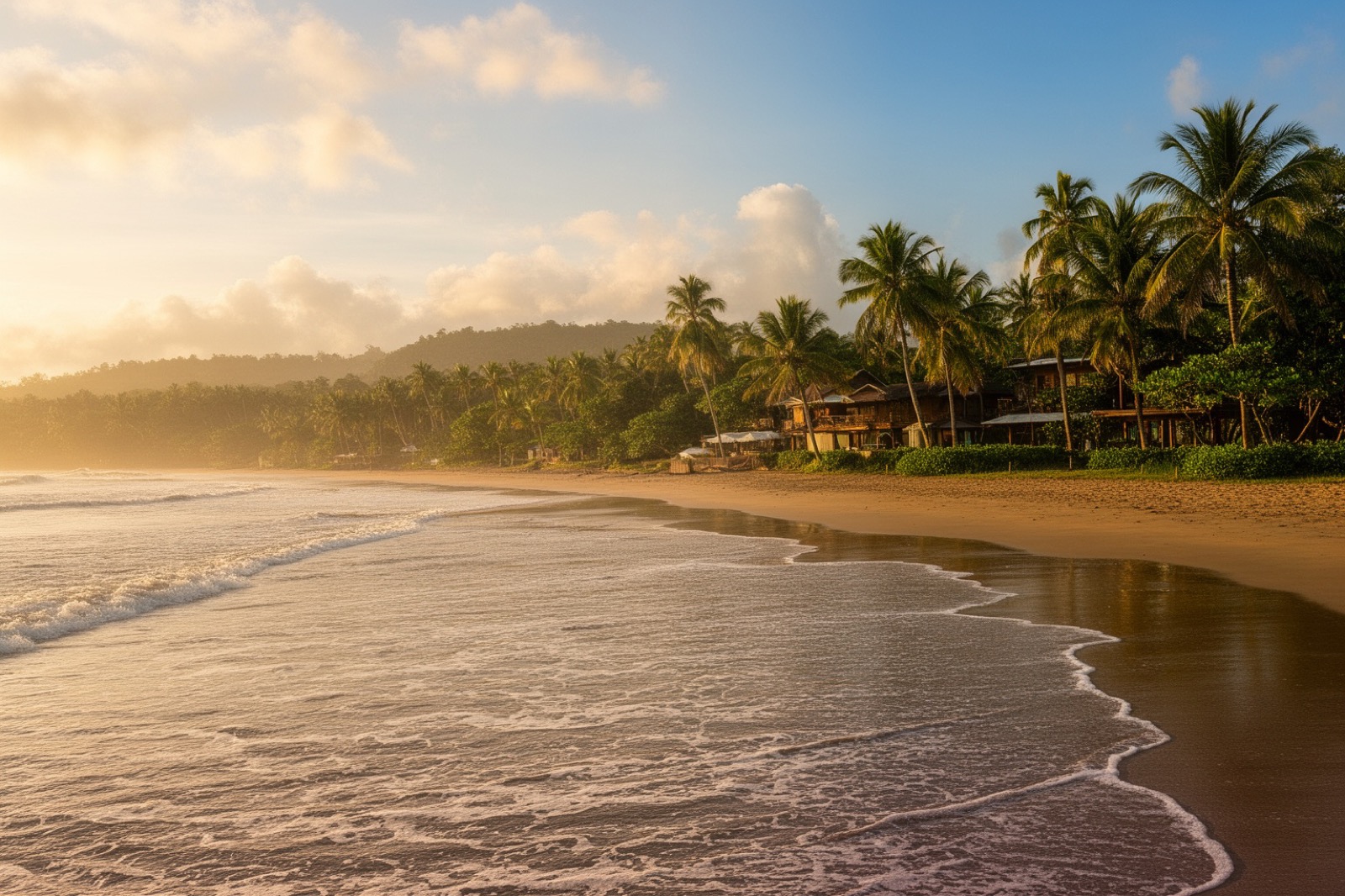
- +Stunning Pacific beaches, jungle, and surf in a Nicoya Blue Zone longevity hotspot
- +Established, English-speaking wellness/yoga expat community — easy, soft social landing
- +Comparatively safe and laid-back core areas; popular and comfortable for solo women
- +Warm tropical weather year-round with a sunny, drier December-April high season
- +Easy Pensionado visa (~$1,000/mo pension) with spouse/kids covered under CAJA; territorial taxes exempt foreign pensions/SS
- +Strong nonstop US flights from Liberia (LIR) to Miami, Dallas, Houston and more
Worth weighing
- –Expensive for Costa Rica — coastal Guanacaste runs 40-80% above the Central Valley; couples often $4,000-5,000+/mo
- –Remote and hard to reach: ~2.5-3h of partly rough road from Liberia airport (or a domestic puddle-jumper)
- –No hospital in town — the nearest is ~1h away in Nicoya; serious emergencies mean a life-flight to San José
- –Intense May-Nov rainy season with very high humidity and heavy downpours (Sept-Oct the wettest)
- –Property crime risk: break-ins on rentals/vehicles and opportunistic theft require gated security and vigilance
- –Can feel like a pricey, insular international bubble rather than authentic Costa Rican life; rough roads and tourist-priced services
Who Nosara suits
Active, affluent retirees who want beach, surf, yoga, and a wellness-focused lifestyle · People drawn to the Blue Zone and an English-speaking international community · Couples who can absorb a higher (~$4k+) budget and value nature over convenience · Those okay trading easy access and big-hospital proximity for a beautiful remote setting
Budget retirees — this is one of Costa Rica's pricier areas · Anyone with serious medical needs who wants a full hospital and specialists close by · People who dislike heat, intense humidity, long rainy seasons, or rough remote roads · Retirees wanting walkable-city amenities or an authentic non-expat-bubble town
Hand the Costa Rica move to people who do it daily
A relocation concierge for Portugal, Panama, and Costa Rica — one team that takes the move from decision to settled-in.
See how StartAbroad handles Costa Rica →Sources & methodology · visa & advisory re-checked 2026-10-25SHOW
Go and see Nosara first
Flights, a hotel, and a car for the scouting trip — booked in one place, through our travel shop.
See scouting trips to Nosara →A month in Nosara before you decide
The people who land happiest came and lived it first — the market, the bus, an ordinary Tuesday — before they signed anything. A furnished place by the week or the month is how you do that.
Partner-marked links may pay Second Summer a referral fee if you choose them. Rankings are never pay-to-rank.
Browse monthly stays in Nosara on Vrbo →