Cartagena
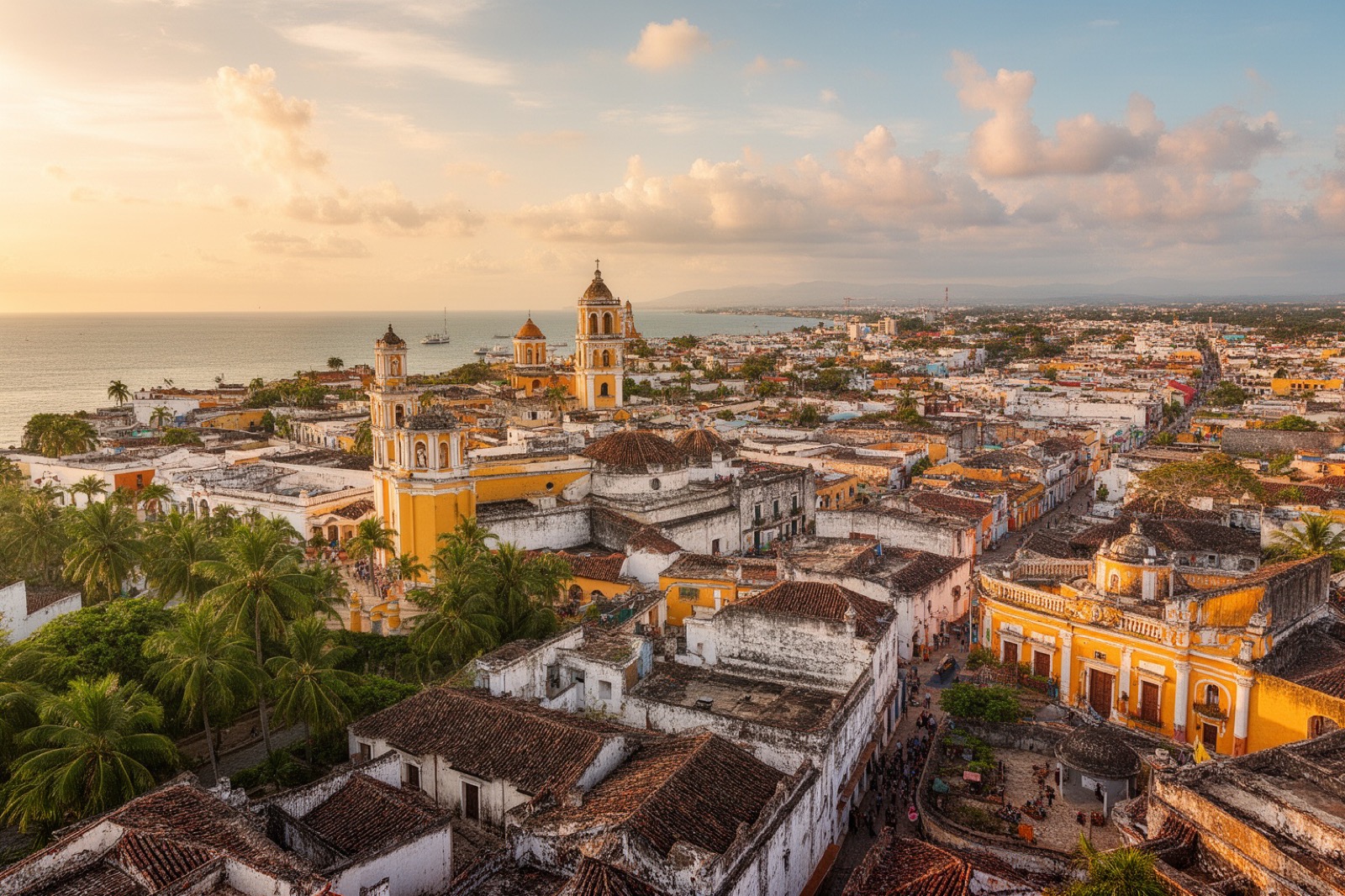
A ravishing walled Caribbean colonial city with cheap living and direct Miami flights — but relentless 90°F/80%-humidity heat, tourist-inflated prices, and a country-wide Level 3 advisory.
For an American couple, Cartagena runs about $2,600 a month — with the trip home a hop or a connection away.
Cartagena by the numbers
Visa & residency for Americans
The Migrant (M) Pensionado visa (M-11) requires proof of a lifetime monthly pension of at least 3x the Colombian minimum wage — roughly COP 5,250,000 / about US$1,410/mo in 2026 (it floats with the peso and the annually-set minimum wage). US Social Security and government/corporate pensions qualify clearly; 401(k)/IRA withdrawals and private annuities are less certain and sometimes pushed toward the Rentista route. No minimum-age requirement. The M visa is issued for up to 3 years and renewable; after 5 continuous years you can apply for a Resident (R) visa. Critical pitfall: an M visa can be cancelled if you spend more than 180 continuous days outside Colombia in a year. Apply via the Cancillería or a consulate; many use a local lawyer for apostilles.
Your Colombia residency, mapped to your situation
Where you're headed, who's going, and what you're working with — five questions puts your file on the desk. When a visa specialist clears our bar for your country, you're first in line for the introduction.
Map my Colombia visa path →What living in Cartagena is actually like
Decent for routine and most acute care, but not Bogotá- or Medellín-level. The go-to private facilities are Hospital Bocagrande (Castillogrande) and Nuevo Hospital de Bocagrande, plus Serena del Mar (a newer high-end complex north of the city affiliated with US institutions); private hospitals have modern equipment and some English-speaking staff, at roughly 50-70% below US prices. Expats and nomads use private care via SURA, Colsanitas, or Seguros Bolívar plans. English is common in private hospitals, scarce in public ones. For the most complex surgery or specialist care, expats fly to Bogotá (~1.5h) or back to Miami (~3h). Telemedicine in English is available (e.g. DoctorsForExpats).
Health cover for retiring in Colombia
A broker that compares plans across the major international insurers — including plans that cover you past 65.
Compare plans for Colombia →Tropical and hot all year: daytime 86-90°F, nights 77-79°F, and humidity averaging ~80% (peaking ~83% in Oct). There's no cool season — only a drier one (Dec-Mar/Apr, the pleasantest, lower humidity) and a wetter one (May-Nov, peaking Oct) with short, sharp afternoon downpours rather than all-day rain. A/C is essential and runs constantly, spiking electricity bills. Sea breeze in Bocagrande/Castillogrande takes a slight edge off.
Tourist Cartagena is generally safe by day with normal precautions; violent crime against foreigners is uncommon. The walled Old City, gentrified Getsemaní, and Bocagrande/Castillogrande have a strong police presence. Real risks are petty: pickpocketing in crowds, aggressive vendors, taxi overcharging, rare scopolamine drugging, and fake-police 'money inspection' scams. Numbeo Crime Index ~52 (moderate-high). Avoid Old City side streets and Manga late at night, plus outlying neighborhoods like Nelson Mandela. Colombia's overall US State Dept advisory is Level 3, though Bolívar/Cartagena isn't restricted. Women alone report it manageable with big-city caution; app taxis advised after dark.
A real but smaller and more transient expat scene than Medellín — North American and European retirees, second-home owners, digital nomads, and hospitality workers, skewing toward those who love heat and Caribbean culture (more Brazilians and Italians than Medellín, locals note). Active Facebook groups and tourist-oriented services help, but this is a working Colombian port city, not an English bubble: outside hotels, restaurants, and private clinics, functional Spanish is genuinely needed.
Rafael Núñez airport (CTG) has nonstop service to Miami (~3h, American and Avianca, roughly daily) and seasonal/limited nonstops to other US points; most other US routings connect through Miami, Bogotá (~1.5h, very frequent), or Panama City. Good for Florida-based family; everyone else connects. Compared with Medellín or Bogotá it has fewer direct long-haul options, so build in a connection for the Northeast, Texas, or West Coast.
Colombia taxes tax residents (183+ days in any 365-day window) on worldwide income, and there is NO US-Colombia income tax treaty and no totalization agreement. Foreign pension income is exempt up to 1,000 UVT/year (~COP 52.4M, roughly US$14,000-14,500 in 2026); pension income above that can be taxed at Colombian progressive rates. Other foreign income (investment, etc.) is taxable once you're resident. US citizens still file US returns and rely on the Foreign Tax Credit (Form 1116) to avoid double taxation. The interaction is genuinely complex — get cross-border tax advice before becoming a Colombian tax resident. We are not tax advisors.
Getting your money to Cartagena
Move money across the border at the real exchange rate — the fee shown up front, and you see exactly what lands on the other side.
See how a transfer to Colombia works →Partner-marked links may pay Second Summer a referral fee if you choose them. Rankings are never pay-to-rank. How partners work
Cartagena, weighed both ways
What’s good
- +Stunning, walkable UNESCO walled colonial center with rich Afro-Caribbean culture, music, and food
- +Genuinely affordable for a Caribbean city — a couple can live well on ~$2,000-2,400/mo
- +Warm Caribbean Sea, beaches, and a true tropical lifestyle year-round
- +Direct ~3h flights to Miami; ~1.5h to Bogotá for connections and top hospitals
- +Easy, no-age-minimum Pensionado (M) visa with a relatively low income bar (~$1,410/mo)
- +Foreign pensions exempt up to ~US$14k/yr in Colombia; broadly low cost of living
- +Lower crime index than Lima and a strong police presence in tourist zones
Worth weighing
- –Brutal, year-round heat and ~80% humidity with no cool season — A/C runs constantly and power bills spike
- –Tourist-zone prices are inflated; imported goods (electronics, some foods) are pricey due to import taxes
- –Country-wide US State Dept Level 3 ('Reconsider Travel') advisory weighs on perception even though Cartagena isn't restricted
- –Petty crime, aggressive vendors, taxi overcharging, fake-police scams, and rare scopolamine drugging
- –Less English in daily life than Medellín or beach-resort towns — you'll need real Spanish
- –Healthcare is solid for routine care but complex cases mean flying to Bogotá or Miami; no US tax treaty
- –Stark inequality between the polished walled city and surrounding neighborhoods can feel jarring
Who Cartagena suits
Heat-and-humidity lovers who want an authentic tropical Caribbean lifestyle · Culture- and history-minded retirees drawn to colonial architecture and Afro-Caribbean life · Florida-based couples who value a short, direct Miami flight · Value-seekers wanting a low cost of living in a beautiful coastal city
Anyone who can't tolerate constant heat and high humidity (Medellín's eternal spring suits them better) · Retirees who need top-tier complex healthcare in-town without flying out · English-only speakers wanting a frictionless bubble with no Spanish · Those unsettled by a country-level Level 3 advisory or visible inequality
What a move to Cartagena actually costs
One form, and up to five international movers come back with real quotes for your move — compare prices before you commit.
Get my moving quotes →Sources, methodology & recent updates · visa & advisory re-checked 2026-10-26SHOW
- Jul 13, 2026We updated Cartagena's visa income requirement to about $1,603/mo (COP 5,252,715/mo), from ~$1,410/mo.
Go and see Cartagena first
Flights, a hotel, and a car for the scouting trip — booked in one place, through our travel shop.
See scouting trips to Cartagena →A month in Cartagena before you decide
The people who land happiest came and lived it first — the market, the bus, an ordinary Tuesday — before they signed anything. A furnished place by the week or the month is how you do that.
Partner-marked links may pay Second Summer a referral fee if you choose them. Rankings are never pay-to-rank.
Browse monthly stays in Cartagena on Vrbo →